 Save
Save There's something almost meditative about opening a can of tomatoes and watching the juice spill into a slow cooker on a lazy Sunday morning. Years ago, my neighbor Maria handed me a pot of black-eyed peas she'd made the night before, and the kitchen smelled so alive—warm oregano, that deep olive oil richness, the kind of aroma that makes you want to pull up a chair immediately. I've been chasing that exact feeling ever since, and this slow cooker version has become my secret for getting there without hours of active cooking.
I served this at a potluck once, expecting it to be overshadowed by fancier dishes, and instead watched people go back for thirds. One friend even asked if there was meat in it—she was genuinely shocked. That moment taught me that simple, honest food cooked with intention speaks louder than anything complicated.
Ingredients
- Dried black-eyed peas (2 cups): Don't skip the rinsing and picking step—I learned this the hard way when I found a tiny stone hiding among them, and it's not a mistake you want to repeat with your teeth.
- Large onion (1), finely chopped: This becomes almost translucent and sweet, the backbone flavor that holds everything together.
- Garlic (3 cloves), minced: Fresh garlic is non-negotiable here because it softens into something jammy and complex after hours of slow cooking.
- Carrots (2), diced: They add natural sweetness and a gentle earthiness that balances the acidity of the tomatoes.
- Red bell pepper (1), diced: Use red, not green, because it's sweeter and plays better with the Mediterranean flavors.
- Diced tomatoes (1 can, 400 g), undrained: Keep the juices—they're liquid gold for building flavor depth.
- Tomato paste (2 tablespoons): This concentrate deepens everything, adding umami that makes people ask what your secret ingredient is.
- Vegetable broth (4 cups): Quality matters here; a thin, salty broth will betray you, so use something you'd actually drink.
- Extra virgin olive oil (1/3 cup): This isn't just cooking fat—it's flavor, and it creates that silky mouthfeel that makes the dish feel Mediterranean.
- Dried oregano (2 teaspoons): The soul of Greek cooking; don't use the ancient jar that's been sitting since 2015.
- Smoked paprika (1 teaspoon): It whispers smoke and warmth without overpowering anything.
- Ground cumin (1/2 teaspoon, optional): I add this sometimes when I want the flavors to feel earthier and more complex.
- Bay leaf (1): Absolutely must be removed before serving—a lesson I learned when I forgot and someone found it in their spoon.
- Salt and freshly ground black pepper: Taste at the end and adjust; slow cooking can intensify saltiness, so start gently.
Tired of Takeout? 🥡
Get 10 meals you can make faster than delivery arrives. Seriously.
One email. No spam. Unsubscribe anytime.
Instructions
- Prepare and layer your slow cooker:
- Start by adding all your chopped vegetables and rinsed peas to the slow cooker bowl. This first layer is your flavor foundation—don't rush it, and don't worry about perfect arrangement since everything will mingle beautifully anyway.
- Build the braising liquid:
- Pour in your tomatoes with all their juices, add the tomato paste, broth, and olive oil, then sprinkle in the oregano, paprika, cumin, and bay leaf. Give everything a thorough stir so the tomato paste dissolves and coats every pea and vegetable piece.
- Set and forget:
- Cover the slow cooker and set it to low heat for 6 to 7 hours. You'll want to resist peeking for at least the first few hours—that initial heat is doing serious flavor work.
- Check for doneness:
- When you finally lift the lid around the 6-hour mark, the peas should be completely tender, almost melting but not mushy. The liquid should have thickened slightly, and the whole kitchen will smell like a Greek island.
- Taste and adjust:
- Remove the bay leaf and taste carefully. Season with more salt and pepper if needed—you might be surprised how much seasoning gets absorbed during slow cooking.
- Finish and serve:
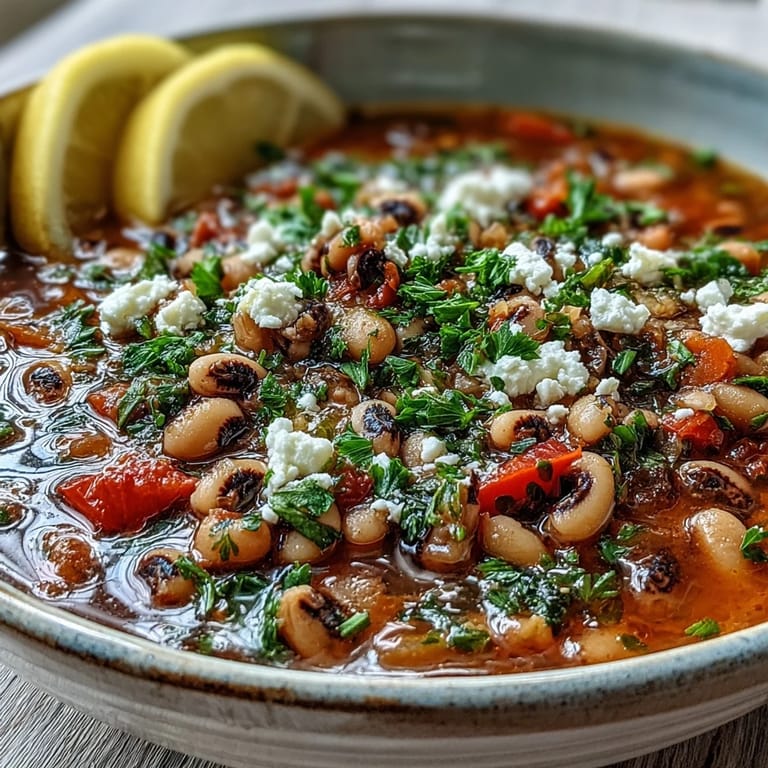
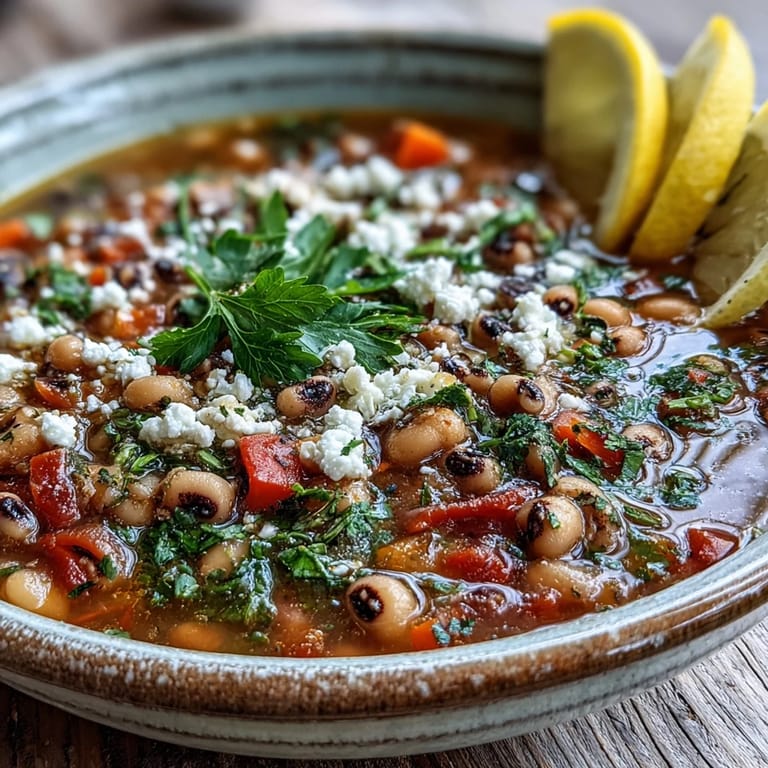
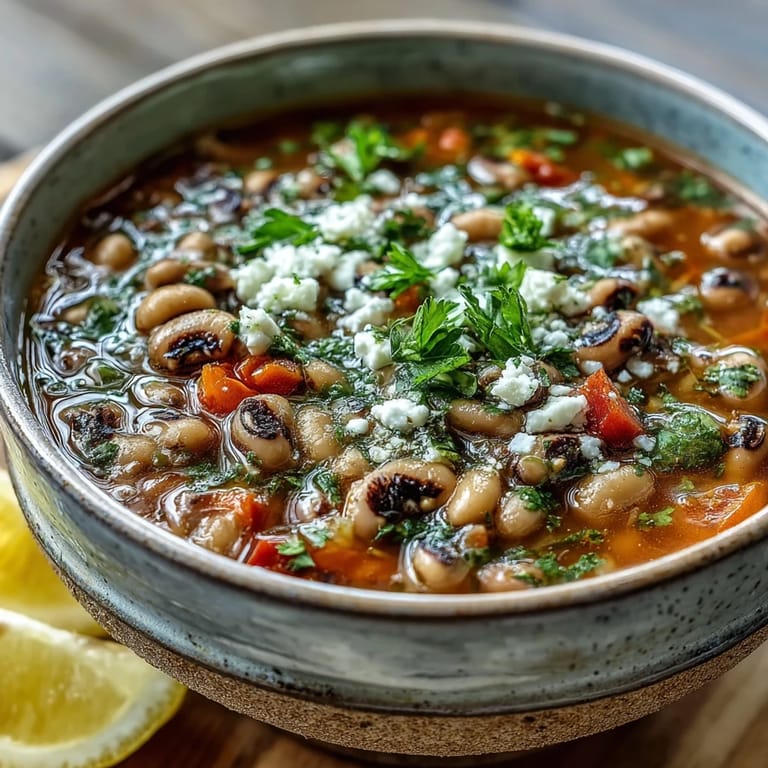
- Ladle into bowls and finish each serving with a scatter of fresh parsley, a crumble of feta if you like, and a squeeze of fresh lemon. The lemon is essential—it wakes up all the flavors just when you need it.
 Save
Save There was a winter evening when my friend showed up unexpectedly after bad news, and I had this waiting on the stove. We ate without much talking, just the clink of spoons and the quiet comfort of something warm that asked nothing but to be appreciated. Food like this holds people together in ways that fancy dishes never quite manage.
Why Olive Oil Makes All the Difference
I used to cook this with just a splash of olive oil, treating it as calories to minimize, until I realized that the oil is where half the flavor lives. Extra virgin olive oil brings fruity, complex notes that sit underneath everything else like a bass line, and it creates that luxurious mouthfeel that makes you want another bowl. Don't use refined olive oil here—it's flavorless and misses the whole point.
Stretching This Into Different Meals
One batch of this recipe has fed me in three different ways: as a stew the first night, over rice the next day, and then tucked into warmed pita bread with extra feta and greens when I was too tired to cook again. It actually improves overnight as the flavors deepen and meld, so making extra is never a mistake.
Building Your Own Variations
Once you understand how this recipe works, it becomes a template for experimenting. I've added spinach in the last 30 minutes, crumbled kalamata olives on top, stirred in coconut milk for richness, or even added a pinch of cinnamon when I wanted something unexpected. The core flavors are strong enough to handle whatever you want to introduce.
- Stir in fresh spinach or kale during the final 30 minutes if you want extra greens without changing the core flavor profile.
- Serve alongside crusty bread, over rice, or stuffed into warmed pita for completely different meals from the same pot.
- Make it your own by adjusting the spices—more cumin if you want earthier notes, a pinch of cinnamon for warmth, or fresh herbs stirred in at the end.
 Save
Save This is the kind of cooking that doesn't ask for your full attention but somehow delivers full flavor—exactly what we all need more of. Let the slow cooker do what it does best, and you'll have something that tastes like you've been tending it all day.
Recipe FAQs
- → Do I need to soak black-eyed peas before cooking?
No soaking is required for this method. The slow cooker's long, gentle cooking time fully hydrates and tenderizes the dried beans without pre-soaking. Just rinse them well and add directly to the cooker.
- → Can I make this on the stovetop instead?
Yes. Simmer soaked beans on the stovetop for 1.5 to 2 hours until tender. You may need to add extra liquid as it evaporates faster than in a slow cooker.
- → How long do leftovers keep in the refrigerator?
Store cooled leftovers in an airtight container for up to 5 days. The flavors continue developing, making it even more delicious the next day. Reheat gently with a splash of broth or water.
- → What can I serve with these black-eyed peas?
Crusty bread for dipping, over steamed rice, or with a simple green salad. The dish also pairs well with roasted vegetables or grilled fish for non-vegetarians.
- → Can I freeze this dish?
Absolutely. Cool completely, then portion into freezer-safe containers for up to 3 months. Thaw overnight in the refrigerator before reheating on the stovetop or in the microwave.
- → How can I make this more protein-rich?
Add diced potatoes during cooking, serve over quinoa instead of rice, or garnish with extra feta cheese. For vegan protein, stir in white beans or chickpeas during the last hour.