 Save
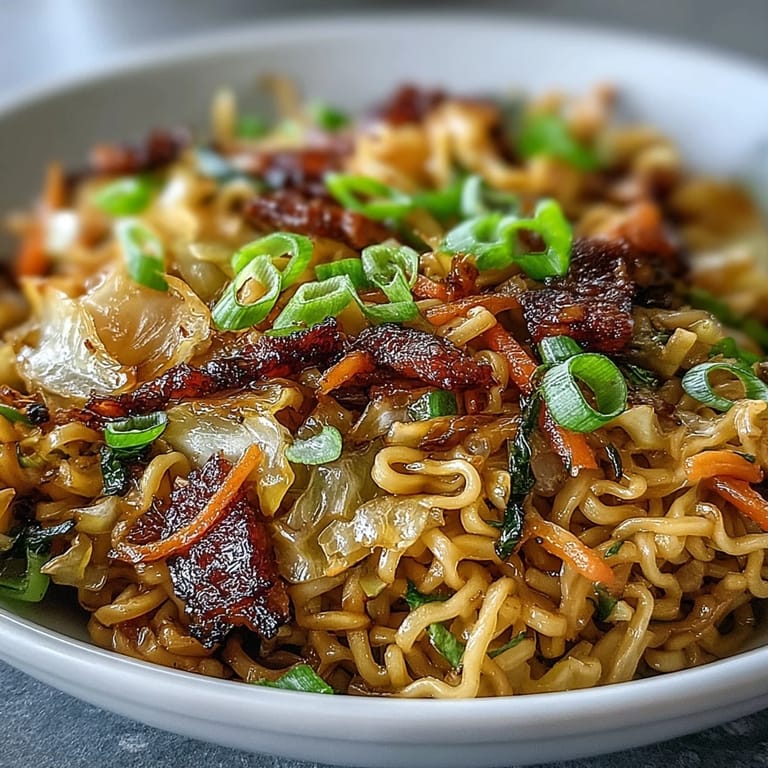
Save The sizzle of cabbage hitting hot oil has become one of my favorite sounds in the kitchen. I stumbled onto this dish during a particularly empty fridge week, staring at half a cabbage and those emergency ramen packs I keep stashed in the pantry. What started as desperation cooking turned into something I crave regularly. The way the cabbage edges char and sweeten while the noodles soak up all that savory sauce makes this feel like so much more than its humble ingredients. Now it is my go to when I want something fast but genuinely satisfying.
I made this for my roommate one rainy Tuesday and she looked up from her bowl with genuine surprise. She had watched me throw it together and assumed it would taste like dorm food, but the combination of toasted sesame oil and that slight char on the vegetables made her pause mid bite. We ended up eating straight from the skillet, standing at the counter, talking about how we had been underestimating cabbage our whole lives. That night it became our unofficial comfort meal, the thing we make when the week feels too long and we need something warm and easy. Sometimes the best recipes are the ones born from almost nothing.
Ingredients
- Green cabbage: Slice it thin so it cooks quickly and gets those crispy edges, thicker pieces just steam and you lose the texture contrast.
- Carrot: Julienning it instead of chunking means it cooks at the same rate as the cabbage and adds pops of color and sweetness.
- Scallions: Separating the whites and greens is worth it, the whites add sharp flavor when cooked and the greens stay bright and fresh as garnish.
- Garlic and ginger: Fresh makes all the difference here, the jarred stuff just does not have that same punch when it hits the hot oil.
- Instant ramen noodles: Toss those seasoning packets, you are building something better from scratch and they are too salty anyway.
- Soy sauce: This is your salt and umami base, I like using low sodium so I can control the flavor better.
- Oyster sauce: Adds a deep savory sweetness, if you are going vegan the mushroom sauce swap works surprisingly well.
- Toasted sesame oil: A little goes a long way, this is what makes the whole dish smell like your favorite noodle shop.
- Rice vinegar: Just a touch to brighten everything up and cut through the richness.
- Sugar: Balances the salty and helps with that caramelization on the cabbage.
- Chili flakes: Optional but I always add them, the gentle heat makes each bite more interesting.
- Vegetable oil: You need something with a high smoke point for the stir fry, this is not the time for olive oil.
Tired of Takeout? 🥡
Get 10 meals you can make faster than delivery arrives. Seriously.
One email. No spam. Unsubscribe anytime.
Instructions
- Boil the noodles:
- Get your water going and cook those ramen noodles just until they separate and soften, usually about three minutes. Drain them well and set them aside, they will finish cooking in the skillet later.
- Mix the sauce:
- Whisk together the soy sauce, oyster sauce, sesame oil, vinegar, sugar, and chili flakes in a small bowl. Having this ready means you can move fast once the vegetables hit the pan.
- Start the aromatics:
- Heat your oil in a large skillet or wok over medium high until it shimmers, then add the garlic, ginger, and white parts of the scallions. Stir constantly for about a minute until your kitchen smells incredible and the garlic just starts to turn golden.
- Fry the vegetables:
- Toss in the cabbage and carrot, spreading them out so they make contact with the hot pan. Stir fry for four to five minutes, resisting the urge to stir constantly so the cabbage gets those beautiful brown edges.
- Combine everything:
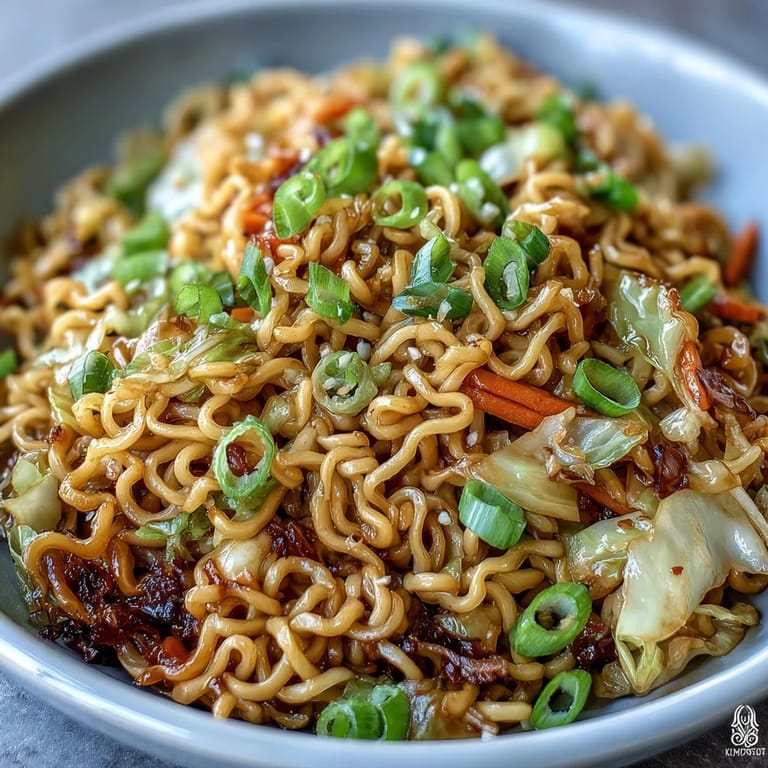
- Add the cooked noodles and pour the sauce over the top. Toss everything together vigorously for two to three minutes until the noodles are glossy and the sauce coats every strand.
- Finish and serve:
- Pull the skillet off the heat, scatter the green parts of the scallions over the top, and serve immediately while everything is still steaming. The texture is best when it is piping hot.
 Save
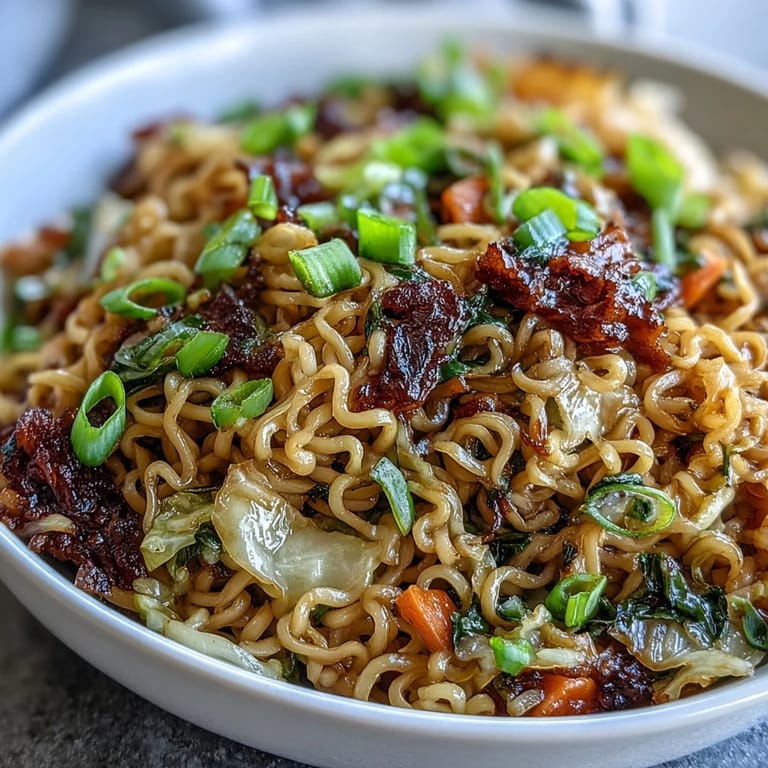
Save There is something deeply satisfying about pulling together a meal this good from ingredients that cost almost nothing. The first time I served this to guests I was almost embarrassed to admit it started with instant ramen, but they scraped their bowls clean and asked for the recipe. It taught me that good cooking is not always about fancy ingredients, sometimes it is just about knowing how to coax flavor and texture from whatever you have on hand. This dish has earned a permanent spot in my rotation, not just because it is quick and cheap, but because it genuinely makes me happy every time I eat it.
Making It Your Own
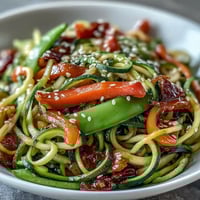
I have thrown just about every vegetable I can think of into this skillet at some point. Sliced mushrooms add an earthy meatiness, bell peppers bring sweetness and crunch, and snap peas give you that satisfying pop when you bite down. Broccoli florets work if you blanch them first, and I have even added frozen edamame straight from the bag. The key is cutting everything roughly the same size so it all cooks evenly. Once you get the basic technique down, this becomes less of a recipe and more of a template you can riff on depending on what is in your fridge.
Protein Options
A fried egg on top turns this into a complete meal, the runny yolk mixing with the sauce is borderline addictive. I have also crumbled in crispy tofu, stirred in shredded rotisserie chicken, and even added leftover steak sliced thin. Shrimp cooks fast enough to toss in with the vegetables, and a handful of cashews or peanuts adds both protein and crunch. Keep the protein simple so it does not compete with the vegetables and sauce. The dish is already flavorful enough that whatever you add just needs to show up and play along.
Storage and Reheating
This keeps in the fridge for up to three days, though the noodles will soak up more sauce as it sits and soften a bit. I actually do not mind the texture change, it becomes more of a lo mein situation. Reheat it in a hot skillet with a splash of water or broth to loosen everything up, the microwave works in a pinch but you lose some of the crispness. If I know I am meal prepping, I sometimes keep the noodles separate and toss everything together when I reheat, that way the vegetables stay a little crisper. Leftovers also make a surprisingly good cold noodle salad if you are into that.
- Add a squeeze of lime or fresh herbs like cilantro or Thai basil right before serving for a bright finish.
- Double the sauce and keep extra in the fridge, it is great on plain rice or other stir fried vegetables.
- If the noodles stick together after draining, toss them with a tiny bit of oil while they wait.
 Save
Save This dish reminds me that some of the best meals come from creative constraint, from looking at what you have instead of what you lack. I hope it becomes one of those recipes you turn to on busy nights when you need something nourishing without the fuss.
Recipe FAQs
- → Can I use different types of noodles?
Yes, you can substitute instant ramen with fresh ramen, udon, soba, or rice noodles. Adjust cooking time according to the noodle type and follow package instructions for best results.
- → How do I make this dish vegan?
Replace oyster sauce with mushroom sauce or additional soy sauce mixed with a bit of hoisin. Ensure all condiments are plant-based and skip any egg toppings, using tofu instead for protein.
- → What other vegetables work well in this stir-fry?
Bell peppers, snap peas, mushrooms, bok choy, and broccoli are excellent additions. Add firmer vegetables early in the cooking process and softer ones toward the end to maintain texture.
- → Can I make this ahead of time?
This dish is best served fresh for optimal texture. However, you can prep ingredients in advance and store them separately. Cook just before serving as noodles tend to absorb sauce and become soft when stored.
- → How can I add more protein to this dish?
Top with a fried or soft-boiled egg, add cubed tofu, or toss in cooked edamame. For non-vegetarian options, include shrimp, chicken, or thinly sliced beef during the stir-fry process.
- → What can I use if I don't have sesame oil?
While sesame oil provides distinctive nutty flavor, you can substitute with additional vegetable oil and add a sprinkle of toasted sesame seeds at the end for similar aroma and taste.