 Save
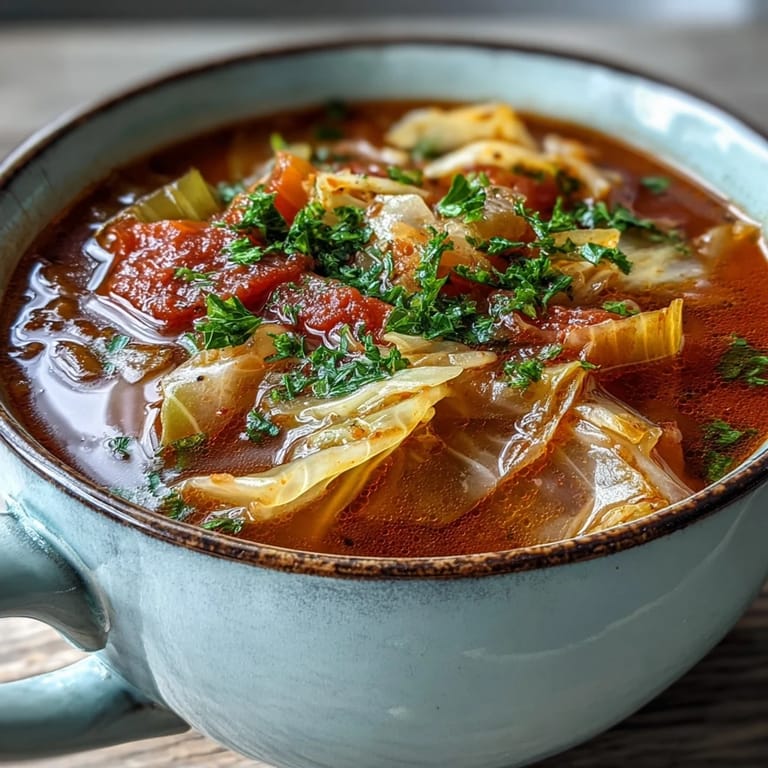
Save My kitchen window was fogged up from the steam, and outside the trees were bare and swaying. I'd bought a cabbage on impulse at the market because it was huge and cost almost nothing, then stared at it on my counter for two days before finally deciding to make soup. The smell that filled the apartment that afternoon, sweet and earthy and faintly tangy, made me understand why this dish has been loved for generations. It wasn't fancy, but it felt like exactly what I needed.
I brought this soup to a friend who'd just had a baby, and she texted me later that night saying she'd eaten three bowls standing at the stove. She said it was the first thing that tasted like food in days, not just fuel. That message made me realize how much comfort can live in something this humble. Sometimes what people need isn't complicated or impressive, just honest and nourishing.
Ingredients
- Green cabbage: The star of the pot, it softens into tender ribbons that soak up all the broth, and chopping it is oddly therapeutic once you get into a rhythm.
- Carrots and celery: These two add a subtle sweetness and structure, and I've learned to slice them thinner than I think I should so they cook evenly with the cabbage.
- Yellow onion: It builds the flavor base, turning translucent and sweet as it softens, and dicing it fine means it practically dissolves into the broth.
- Garlic: Just two cloves add warmth without overpowering, and I always add it after the onion so it doesn't burn and turn bitter.
- Diced tomatoes: They bring acidity and body, and using the kind with juice gives the soup a richer, more rounded tomato flavor.
- Tomato paste: A small spoonful deepens everything, and cooking it for a minute before adding liquid makes it taste less sharp and more developed.
- Vegetable broth: The backbone of the soup, and I've found that a good broth makes all the difference, so I spend a little extra on one that actually tastes like vegetables.
- Dried thyme and bay leaf: These quiet herbs add an herbal undertone that makes the soup feel complete, and I never skip the bay leaf even though I always forget it's there until I fish it out.
- Smoked paprika: Optional but magical, it gives a gentle smokiness that makes people ask what the secret ingredient is.
- Fresh parsley: A handful at the end brightens everything and makes the bowl look alive.
Tired of Takeout? 🥡
Get 10 meals you can make faster than delivery arrives. Seriously.
One email. No spam. Unsubscribe anytime.
Instructions
- Start with the aromatics:
- Heat your pot and add a little oil, then toss in the onion, carrot, and celery, stirring occasionally until they soften and smell sweet. This is where the soup begins to build its soul, so let them take their time.
- Add the garlic:
- Stir in the minced garlic and let it cook just until you can smell it, about a minute. Don't walk away or it'll burn and turn the whole pot bitter.
- Wilt the cabbage:
- Add the chopped cabbage and stir it around, letting it shrink and soften for a few minutes. It seems like a lot at first, but it cooks down faster than you'd expect.
- Cook the tomato paste:
- Stir in the tomato paste and let it cook for a minute, coating the vegetables. This step caramelizes it slightly and takes away any tinny taste.
- Build the broth:
- Pour in the diced tomatoes, vegetable broth, thyme, bay leaf, smoked paprika, salt, and pepper, then stir everything together. Bring it to a boil, then lower the heat, cover, and let it simmer until the cabbage is completely tender, about 25 to 30 minutes.
- Finish and serve:
- Pull out the bay leaf, taste the broth, and adjust the salt and pepper if needed. Ladle into bowls and scatter fresh parsley on top if you have it.
 Save
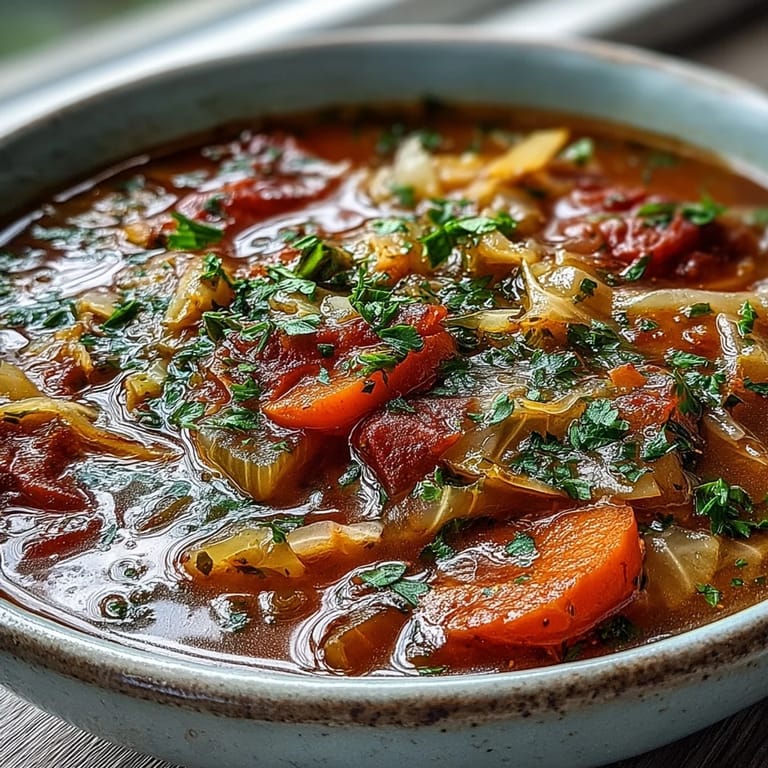
Save One evening I made this soup while my neighbor played piano through the wall, and the combination of music and steam and the quiet bubbling on the stove felt like the coziest moment I'd had all winter. I ate two bowls that night with buttered rye bread, and I remember thinking that this was exactly the kind of meal I wanted to keep making forever. It wasn't about impressing anyone, just about feeling warm and cared for in my own kitchen.
Making It Heartier
Sometimes I add diced potatoes or a can of white beans to make it more filling, especially if I'm serving it as a main dish. The potatoes soak up the broth and turn creamy, and the beans add protein without changing the character of the soup. Both additions make it even more of a one-pot meal that sticks with you through the afternoon.
Storing and Reheating
This soup keeps beautifully in the fridge for up to five days, and I actually prefer it the next day when everything has had time to marry together. Reheat it gently on the stove, adding a splash of water or broth if it's thickened up overnight. It also freezes well for up to three months, though the cabbage can get a little softer after thawing.
Serving Suggestions
I love serving this with thick slices of rye bread or a crusty roll for dipping, and sometimes I'll add a dollop of sour cream even though the recipe is dairy-free, just because it tastes incredible. A simple green salad on the side keeps things light, or you can go all in and make it a cozy meal with roasted root vegetables.
- Serve with crusty bread, rye toast, or buttered rolls for dipping.
- Top with a swirl of sour cream or a sprinkle of fresh dill for extra richness.
- Pair with a crisp white wine or hot tea for a complete, comforting dinner.
 Save
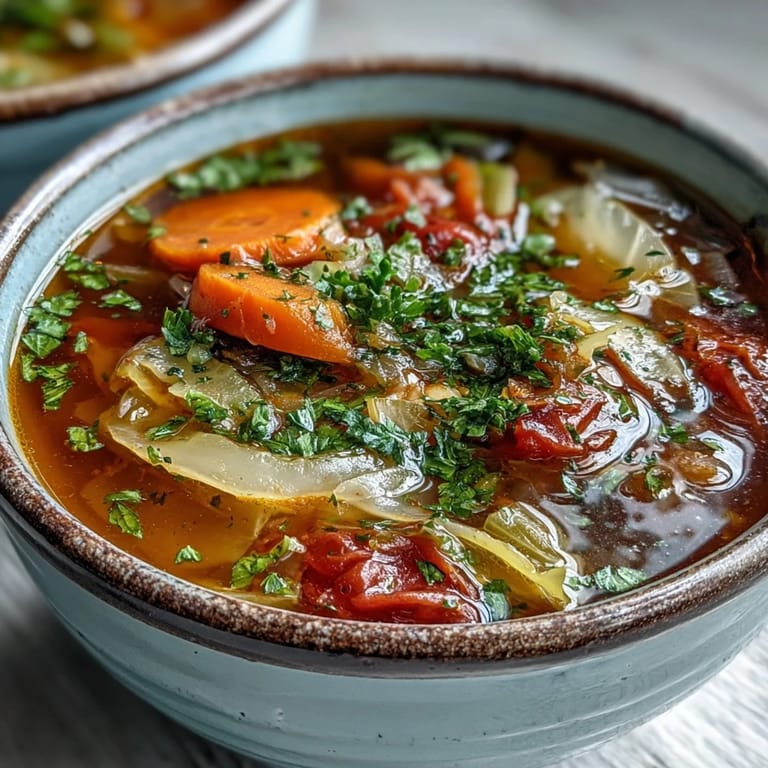
Save This soup has become my answer to cold nights, busy weeks, and moments when I just want something simple and true. I hope it brings you the same kind of quiet comfort it's brought me.
Recipe FAQs
- → Can I make this soup ahead of time?
Yes, this soup stores beautifully. Refrigerate in an airtight container for up to 5 days, or freeze for up to 3 months. The flavors actually deepen overnight, making it ideal for meal prep.
- → What can I add to make it more filling?
Add diced potatoes during step 5 for extra heartiness, or stir in cooked white beans, chickpeas, or lentils near the end of cooking. These additions increase protein and make it a complete meal.
- → Can I use red cabbage instead of green?
Absolutely. Red cabbage works well and adds beautiful color. Keep in mind it may slightly darken the broth and takes a few extra minutes to soften completely.
- → Is the smoked paprika necessary?
No, it's optional but recommended for added depth. You can substitute regular paprika, use a pinch of cumin, or omit it entirely—the soup will still be delicious with the other seasonings.
- → What type of vegetable broth works best?
Any quality vegetable broth works well. For richer flavor, use low-sodium broth so you can control the salt level, or make homemade broth. Chicken broth also works if not keeping it vegetarian.
- → How do I prevent the cabbage from getting mushy?
Simmer gently rather than boiling vigorously, and check for tenderness at 25 minutes. The cabbage should be tender but still hold its shape. Overcooking past 35 minutes can make it too soft.