 Save
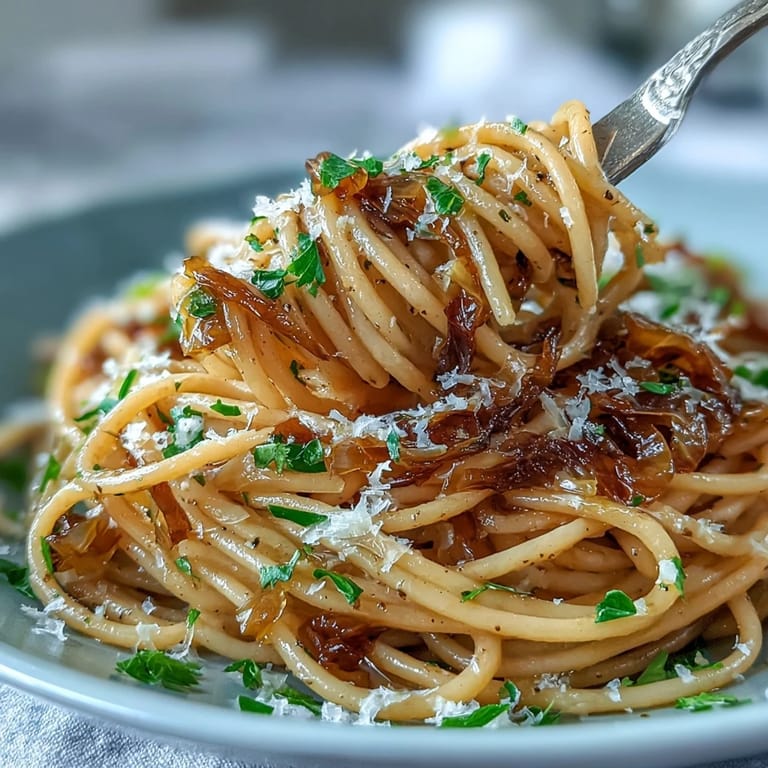
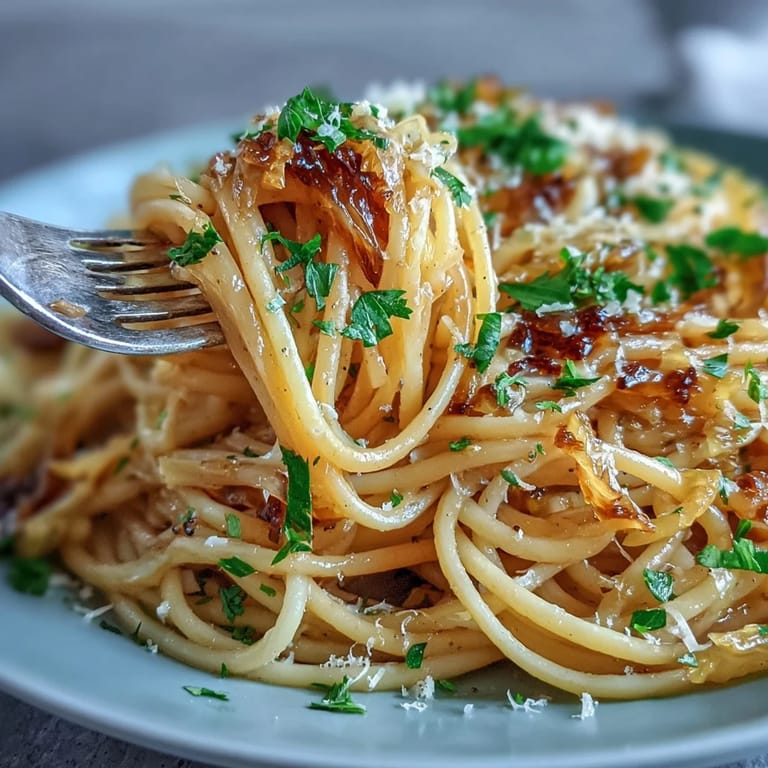
Save My grandmother used to call cabbage a peasant vegetable, but the way she cooked it—slowly, with butter and garlic until it turned sweet and golden—made it taste like something reserved for Sunday dinner. I didn't grow up eating cabbage and pasta together, but the first time I tried it at a tiny trattoria outside Florence, I understood why Italians have been doing this for centuries. The cabbage melts into the noodles, clinging to every strand, while the Parmesan adds just enough sharpness to balance the sweetness. It's the kind of dish that surprises you with how much flavor comes from so little. Now it's what I make when I want something that feels both indulgent and easy, the kind of dinner that doesn't ask much but gives everything back.
I made this for my friend who swore she hated cabbage, and halfway through her second helping she looked up and asked what I'd put in it to make it taste so good. Nothing secret, I told her—just time and heat. She didn't believe me until I made it again with her in the kitchen, and she watched the cabbage go from raw and sharp to golden and sweet. That's the magic of this dish: it doesn't hide what it is, it just shows you what cabbage can become when you treat it right. Now she makes it for her own weeknight dinners and texts me photos every time. It's become her go-to for when she wants comfort without the fuss.
Ingredients
- Spaghetti or linguine: Long pasta works best here because it tangles with the cabbage, creating little bites where every forkful has both noodle and vegetable wrapped together.
- Green cabbage: Look for a firm, heavy head with tightly packed leaves—it should feel dense when you pick it up, and slicing it thin helps it cook down faster and caramelize evenly.
- Olive oil and unsalted butter: The combination gives you the fruity richness of olive oil and the creamy, nutty flavor of butter, which is essential for getting that deep golden color on the cabbage.
- Garlic cloves: Slice them thin so they soften and perfume the oil without burning, and add them after the cabbage has already started to caramelize so they stay sweet and mellow.
- Crushed red pepper flakes: Optional, but a small pinch adds warmth without making the dish spicy—just enough to wake up the other flavors.
- Freshly grated Parmesan cheese: Grate it yourself from a block, because pre-grated doesn't melt the same way and won't cling to the pasta like freshly shredded will.
- Fresh parsley and lemon zest: Both optional, but the parsley adds a fresh green note and the lemon zest brightens everything up if the dish feels too rich.
Tired of Takeout? 🥡
Get 10 meals you can make faster than delivery arrives. Seriously.
One email. No spam. Unsubscribe anytime.
Instructions
- Boil the pasta:
- Bring a large pot of well-salted water to a rolling boil and cook your pasta until it's just al dente, with a slight bite in the center. Before you drain it, scoop out a mugful of that starchy pasta water—it's going to help the sauce cling to everything later.
- Caramelize the cabbage:
- While the pasta bubbles away, heat your olive oil and butter in a large skillet over medium heat until the butter foams, then add the sliced cabbage and a good pinch of salt. Stir it occasionally, but let it sit long enough between stirs to develop those golden-brown edges—that's where all the sweetness lives.
- Add the garlic and spice:
- Once the cabbage is tender and caramelized, toss in the sliced garlic and red pepper flakes, stirring constantly for a minute or two until the garlic smells toasty and fragrant. Don't let it brown too much or it'll turn bitter.
- Toss everything together:
- Add the drained pasta right into the skillet with the cabbage and garlic, using tongs to toss everything together so the noodles get coated. If it looks dry, splash in some of that reserved pasta water a little at a time until it's silky and glossy.
- Finish with cheese:
- Remove the skillet from the heat and stir in the Parmesan and black pepper, tasting as you go and adding more salt if needed. The cheese should melt into the pasta, creating a light, clingy coating that ties everything together.
- Serve:
- Divide the pasta among bowls and top with extra Parmesan, a sprinkle of parsley, and a little lemon zest if you want brightness. Serve it hot, with crusty bread on the side if you have it.
 Save
Save 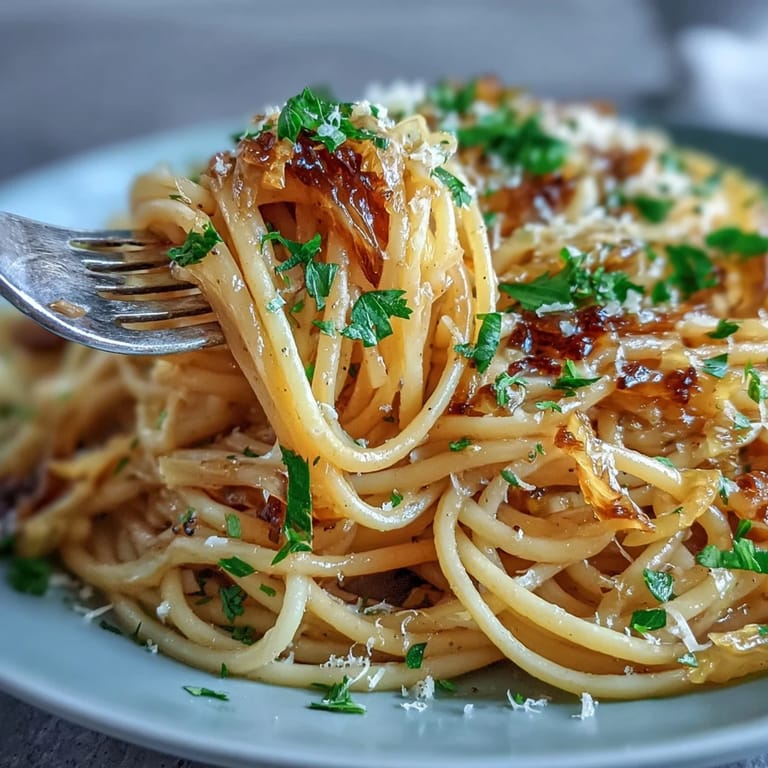 Save
Save The night I served this to my family, my brother—who usually goes straight for meat—had three helpings and didn't say a word until his plate was empty. Then he looked up and said it reminded him of something our grandmother would have made, even though she never made anything quite like this. I think it was the smell of butter and garlic, or maybe just the way simple ingredients can feel like home. Either way, it's been on our dinner rotation ever since, and every time I make it, someone asks for the recipe.
How to Know When the Cabbage Is Ready
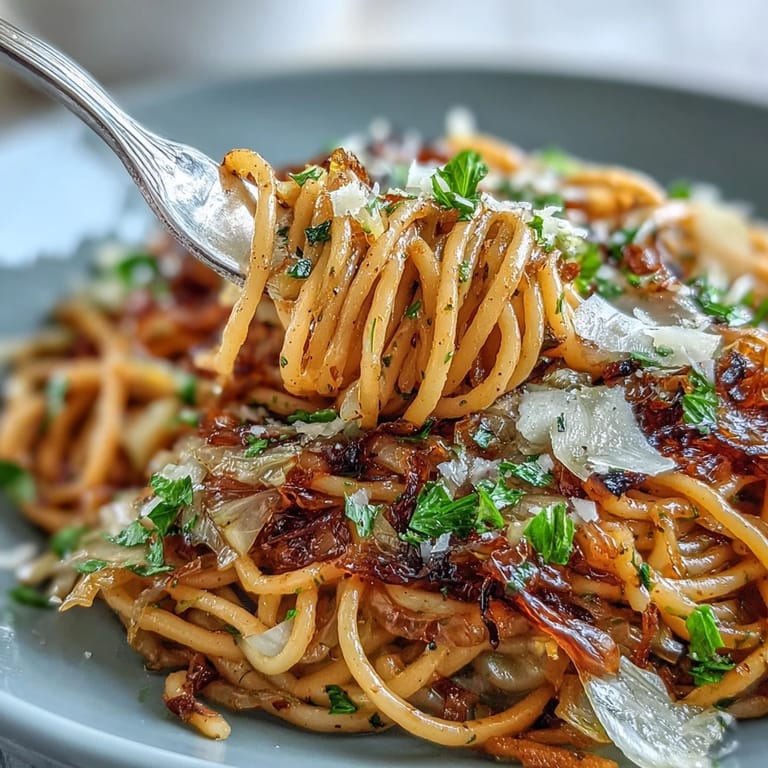
The cabbage should shrink down to almost half its original volume, and the edges should be deeply golden, almost caramelized, with some pieces turning a bit crispy. If it's still bright green and crunchy, keep cooking—it needs time to soften and develop that sweet, mellow flavor. You'll know it's done when it tastes more like a vegetable that's been roasted than one that's been boiled, with a slight chew and a lot of depth. Don't be afraid to let it sit in the pan without stirring for a minute or two at a time, because that's how you get those beautiful browned bits that make the whole dish sing.
What to Serve With This Pasta
This dish is rich enough to stand on its own, but I like to serve it with a simple arugula salad dressed with lemon juice and olive oil to cut through the richness. A crisp white wine like Pinot Grigio or a light, zesty Vermentino pairs beautifully and keeps things feeling fresh and balanced. If you want to make it more filling, add a fried egg on top—the runny yolk mixes with the Parmesan and turns into an extra layer of sauce. Crusty bread is always a good idea, especially for soaking up any buttery bits left in the bowl.
Making It Your Own
This recipe is forgiving and welcomes improvisation, so if you have leftover cooked sausage or pancetta, crumble it in with the garlic for a heartier version. Toasted breadcrumbs scattered on top add crunch and make it feel more like a composed dish, and chopped toasted walnuts bring an earthy richness that plays well with the cabbage. If you want more sharpness, swap the Parmesan for Pecorino Romano, or use half of each for a more complex flavor. Some nights I add a handful of fresh spinach or kale at the end, just to sneak in more greens, and it wilts right into the pasta without changing the spirit of the dish.
- Try stirring in a spoonful of whole-grain mustard with the Parmesan for a subtle tang that makes everything taste more alive.
- If you like things spicy, double the red pepper flakes or add a drizzle of hot honey at the end for a sweet heat that surprises in the best way.
- Leftovers can be turned into a frittata by mixing them with beaten eggs and baking until set—it's a genius way to use up every last bite.
 Save
Save  Save
Save This is the kind of recipe that doesn't demand perfection, just presence—stay with it while the cabbage cooks, taste as you go, and trust that something this simple can be this satisfying. I hope it becomes a staple in your kitchen the way it has in mine.
Recipe FAQs
- → Can I use a different type of pasta?
Yes, any long pasta like fettuccine, tagliatelle, or even penne works well. Just adjust cooking time according to package directions and ensure it's al dente for the best texture.
- → How do I know when the cabbage is properly caramelized?
The cabbage should be golden brown at the edges, tender throughout, and significantly reduced in volume. This takes about 12-15 minutes over medium heat with occasional stirring.
- → Can I make this dish ahead of time?
While best served fresh, you can prepare the caramelized cabbage up to 2 days ahead. Store refrigerated and reheat gently while tossing with freshly cooked pasta and reserved pasta water.
- → What can I substitute for Parmesan cheese?
Pecorino Romano offers a sharper, saltier flavor that works beautifully. For dairy-free options, use nutritional yeast or a plant-based Parmesan alternative, though the flavor profile will differ.
- → Why is pasta water important in this dish?
The starchy pasta water helps create a silky coating that binds the cabbage, garlic, and cheese together. Add it gradually while tossing to achieve the perfect consistency without making the dish watery.
- → Can I add protein to make it more substantial?
Absolutely. Italian sausage, crispy pancetta, grilled chicken, or white beans all complement the caramelized cabbage beautifully. Add cooked protein during the final tossing step.