 Save
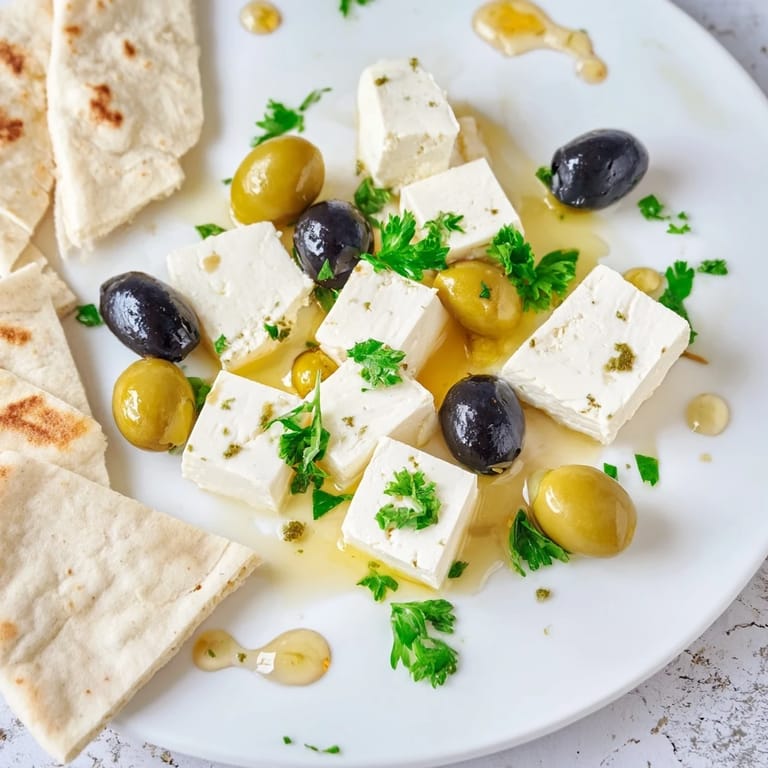
Save There's something about the way my Turkish neighbor arranged her cheese board that made me stop mid-conversation and just watch. The contrast of creamy feta against those glossy brined olives, a drizzle of honey catching the light—it looked like edible art. She laughed when she caught me staring and said the secret wasn't in any fancy technique, just letting each ingredient speak for itself. That afternoon taught me that sometimes the simplest things, when assembled with intention, become the most memorable. Now whenever I make this board, I'm transported back to her kitchen, where food was never just food.
I brought this board to a potluck once, half-worried it was too simple compared to elaborate casseroles and baked dishes. Within minutes, people were gathered around it, abandoning their plates to build perfect bites with pita and cheese. One friend admitted she'd been intimidated by Turkish food until that moment—the board felt approachable, inviting, honest. That's when I realized appetizers like this do something special: they break down barriers and make everyone feel welcome.
Ingredients
- Feta cheese: Buy the kind packed in brine if you can; it stays creamier and more flavorful than pre-crumbled versions.
- Beyaz peynir (Turkish white cheese): This mild, slightly salty cheese is essential to the authentic experience, but Greek feta works in a pinch if you can't find it.
- Brined green and black olives: The brine is doing the work here—it's what makes them sing, so don't rinse them thoroughly.
- Honey: Use something decent; this isn't the time to skimp on quality.
- Pita bread: Fresh or warm pita is non-negotiable; stale bread will ruin the whole moment.
- Fresh dill or parsley: The brightness of fresh herbs lifts everything on the board and adds a note of finality.
- Extra virgin olive oil: A good one makes the difference between adequate and memorable.
- Red pepper flakes: Just a whisper of heat; they're optional but they're what makes people pause and ask what that flavor is.
Tired of Takeout? 🥡
Get 10 meals you can make faster than delivery arrives. Seriously.
One email. No spam. Unsubscribe anytime.
Instructions
- Set the stage with cheese:
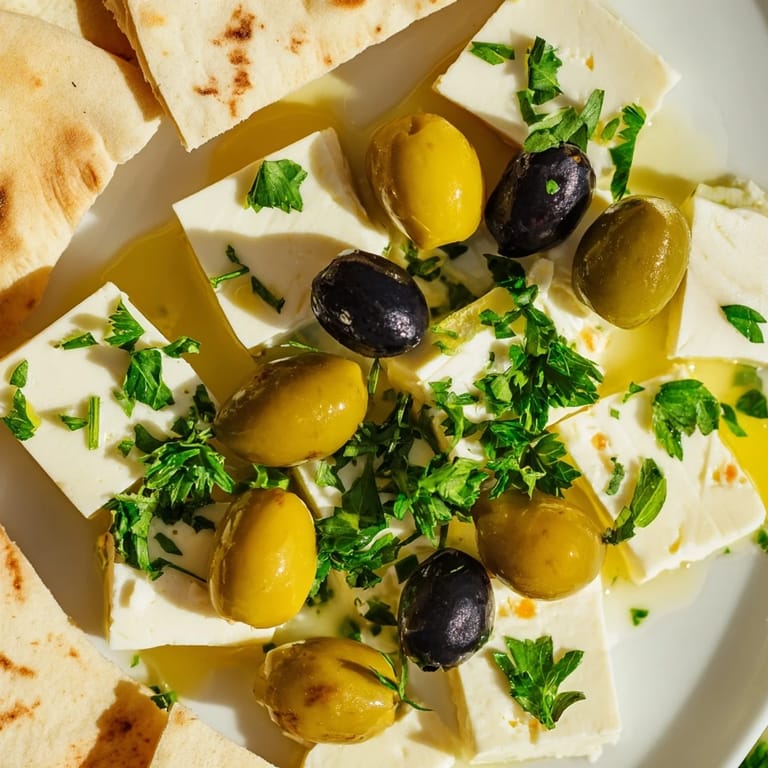
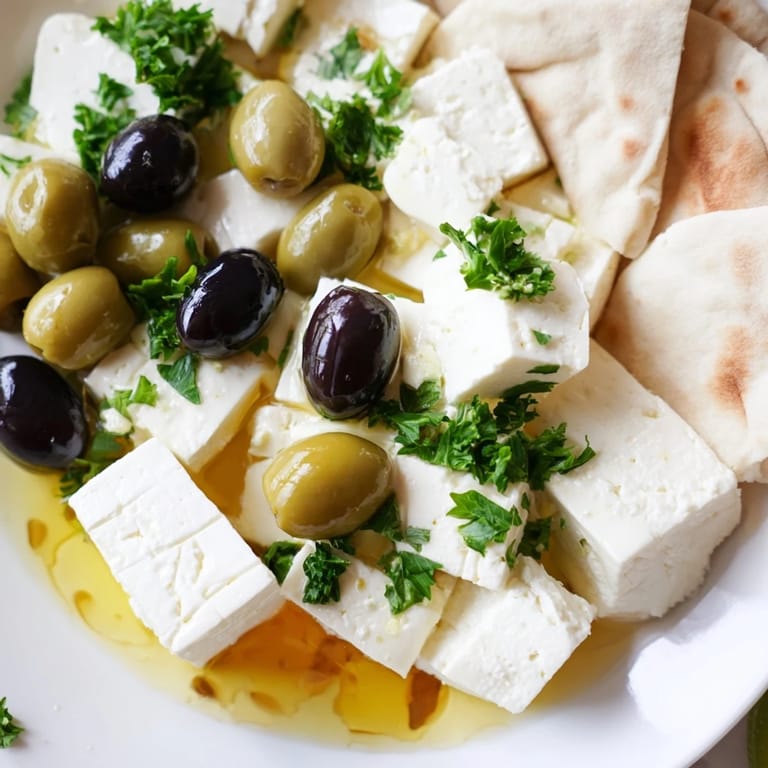
- Arrange your feta cubes and sliced beyaz peynir across your board with a little breathing room between them. Think about creating little pockets of space where the olives can nestle in naturally.
- Introduce the olives:
- Scatter the green and black olives around the cheeses, or if you want to keep things tidy, use small bowls. The visual contrast of the two colors is half the appeal.
- Add the honey moment:
- This is where it gets special—either drizzle some honey into a small bowl and let people dip, or create little honey pools directly on the board next to the cheese. Watch how people's eyes light up when they taste that sweet-salty combination.
- Warm and prepare the pita:
- Heat your pita bread in a skillet over medium heat for about 30 seconds per side until it's warm and pliable, then cut into wedges. Warm bread makes everything taste better because people actually want to pick it up and use it.
- Finish with flourishes:
- Scatter fresh herbs, drizzle olive oil with a generous hand, and if you're feeling it, add a tiny sprinkle of red pepper flakes. This isn't decoration—these are flavor promises.
- Serve with intention:
- Present the board immediately while everything is at its best, and let your guests know they should build their own bites rather than eating things in isolation. That's when the magic happens.
 Save
Save My daughter once made this board for a school project on different cultures, and her classmates were astonished that something so elegant came from her kitchen. She felt proud in a way that homemade lasagna never quite achieved. That's the power of this simple arrangement—it teaches people that thoughtfulness matters more than complexity.
The Art of Assembly
There's a reason Turkish tables always have a meze spread; it's not about feeding people quickly, it's about creating a space for conversation and connection. When you arrange a board like this, you're inviting people to slow down and taste deliberately. The colors matter, the spacing matters, and yes, even how you cut the cheese matters. I learned this by watching someone who grew up with these boards, and now I understand that presentation isn't vanity—it's respect for the ingredients and your guests.
Pairing and Serving Moments
The first time I served this with Turkish tea instead of wine, everything changed. The slight bitterness of the tea paired with the salty-sweet board in ways I hadn't anticipated, and suddenly the meal felt complete in a different way. Since then, I've experimented with different pairings depending on the time of day and who's around. Morning gatherings call for coffee and this board; afternoon visits deserve white wine; evening occasions work beautifully with tea or even a light red if your guests prefer.
Small Touches That Matter
Once, I added pomegranate seeds to my board on a whim, and they brought this surprising tartness and visual pop that made everyone pause. Another time, I scattered toasted walnuts around the cheese, and someone asked if this was a traditional variation. The truth is, meze boards are meant to be flexible—they're canvases where you can honor tradition while adding your own instincts. The core (cheese, olives, honey, bread) is sacred; everything else is where you get to experiment and make it yours.
- Toasted nuts, fresh fruit, or cured meats can all find a home on your board without disrupting the balance.
- If you're making this ahead, keep components separate and assemble just before serving.
- The beauty of this board is that it works for unexpected guests because you likely have most of these things already.
 Save
Save This board has saved me countless times when I needed something impressive but didn't have the energy for cooking. It's become my go-to for moments when good food and good company are all that matters.
Recipe FAQs
- → What types of olives are best for this board?
Brined green and black olives work best, providing a balanced salty and tangy flavor.
- → Can I substitute the Turkish white cheese?
Yes, mild Greek feta or mozzarella are great alternatives offering a creamy texture.
- → How should I warm the pita bread?
Warm pita briefly in a skillet or oven until soft and pliable before slicing into wedges.
- → What garnishes enhance the flavors on this board?
Fresh dill or parsley, a drizzle of extra virgin olive oil, and a pinch of crushed red pepper flakes add brightness and spice.
- → What drinks pair well with this platter?
Crisp white wine or traditional Turkish tea complement the savory and sweet elements beautifully.