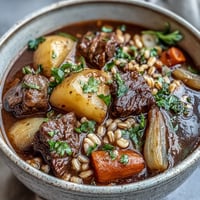
 Save
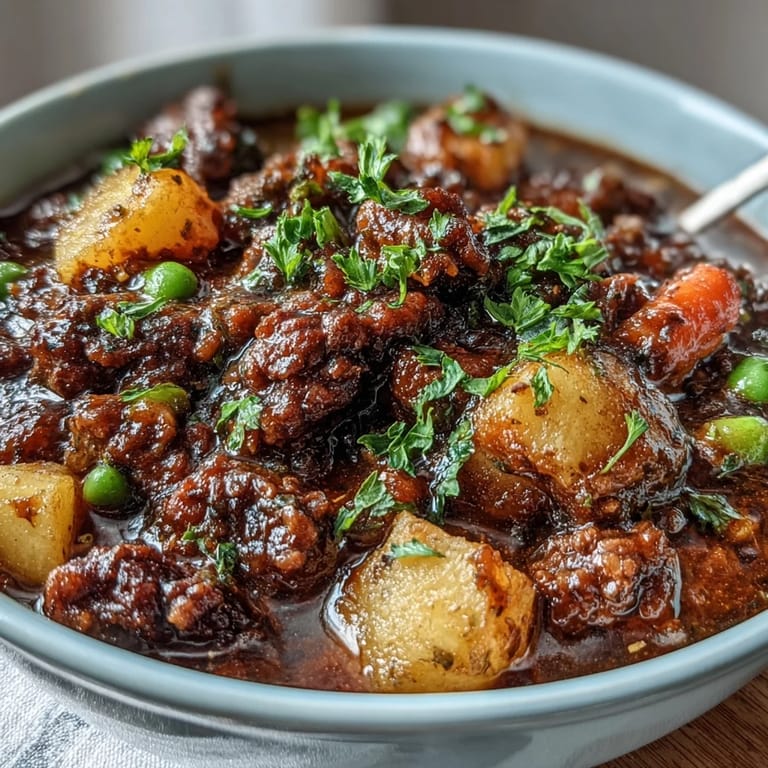
Save There's something about watching ground beef sizzle in a pot on a gray afternoon that makes you forget you're not sitting in a pub somewhere. My neighbor Sarah mentioned she'd been craving Shepherds Pie but didn't have time for the whole baked affair, so I thought: what if we turned it into soup? Twenty minutes later, my kitchen smelled like thyme and caramelized onions, and she was texting me for the recipe before she even finished her bowl.
I made this for my partner on a Tuesday when neither of us had slept well the night before—you know those mornings where everything feels a bit too much? Handing him a steaming bowl with that perfect beef and potato combination felt like saying everything without words. He went back for seconds and actually asked if we could have it again the next week.
Ingredients
- Ground beef (1 lb, 85% lean): The lean ratio matters here because too much fat will make the broth greasy, but you want enough for flavor—that sweet spot gives you a clean, meaty depth without the slick feeling.
- Yellow onion, carrots, and celery (1 onion, 2 carrots, 2 stalks): This is your aromatic base, and I've learned to dice them roughly the same size so they cook evenly and create that classic soup foundation.
- Garlic (2 cloves, minced): Mince it fresh; the difference between jarred and fresh here is noticeable in that warm, welcoming smell that fills your kitchen.
- Potatoes (2 cups, diced): Cut them into small cubes so they soften within the soup's cooking time and add body without turning mushy.
- Frozen peas and corn (1 cup each): Frozen vegetables are actually perfect here—they're picked at peak ripeness and won't turn to mush like fresh ones sometimes do in long cooking.
- Beef broth (5 cups): Use a good quality broth if you can; it's the backbone of this whole thing and makes the difference between a bowl that feels nourishing and one that just tastes like salt.
- Milk (1 cup): This adds a subtle sweetness and richness that rounds out the savory notes without making it taste creamy in the heavy way.
- Tomato paste (2 tbsp): A little goes a long way here—it adds umami depth and a slight tang that makes you taste beef without being aggressive about it.
- Worcestershire sauce (2 tbsp): The secret weapon that makes people ask what that incredible flavor is; use gluten-free if that matters to your table.
- Thyme, parsley, and rosemary (1 tsp, 1 tsp, and 1/2 tsp dried): These dried herbs are your aromatics, and I learned the hard way that fresh would be overpowering here—stick with dried.
- Butter (2 tbsp): This final addition creates a silky finish and makes the broth taste like someone's been caring for it.
Tired of Takeout? 🥡
Get 10 meals you can make faster than delivery arrives. Seriously.
One email. No spam. Unsubscribe anytime.
Instructions
- Brown the beef with intention:
- Get your pot over medium heat and let the ground beef break apart naturally, listening for that sizzle that tells you it's properly caramelizing. If it looks greasy afterward, you can drain some off, but a little fat carries the flavor forward.
- Build your aromatic base:
- Once the beef is cooked through, toss in the onion, carrots, and celery, giving them a good stir so they catch the heat and release their sweetness. Five minutes is your window before you move forward—you'll see them soften at the edges.
- Wake up the soup with garlic and tomato:
- Add the minced garlic and tomato paste together, stirring constantly for just about a minute until the raw garlic smell transforms into something warm and inviting. This moment matters more than it seems.
- Build the broth and add potatoes:
- Pour in your beef broth and add the diced potatoes along with all your seasonings—the Worcestershire, thyme, parsley, rosemary, and a pinch of salt and pepper. Bring everything to a boil, which takes about 5 minutes, then reduce the heat and cover.
- Let it simmer and soften:
- Once it's at a gentle bubble under the lid, give it 15 minutes without stirring too much—the potatoes need this uninterrupted time to break down and release their starch into the broth, thickening it naturally. You'll know it's ready when a fork passes through a potato piece easily.
- Finish with vegetables, milk, and butter:
- Stir in the frozen corn and peas (no need to thaw them), then add the milk and butter, letting everything warm through for another 5 minutes without boiling hard. The butter will create little pockets of richness that swirl through each spoonful.
- Taste and adjust with care:
- This is where you become the chef—try a spoonful and decide if it needs more salt, pepper, or even a touch more Worcestershire to deepen the flavor. Trust your palate here.
- Serve and celebrate:
- Ladle it into bowls while it's still steaming, and top with fresh parsley if you have it on hand. The green adds brightness and a little visual moment of joy.
 Save
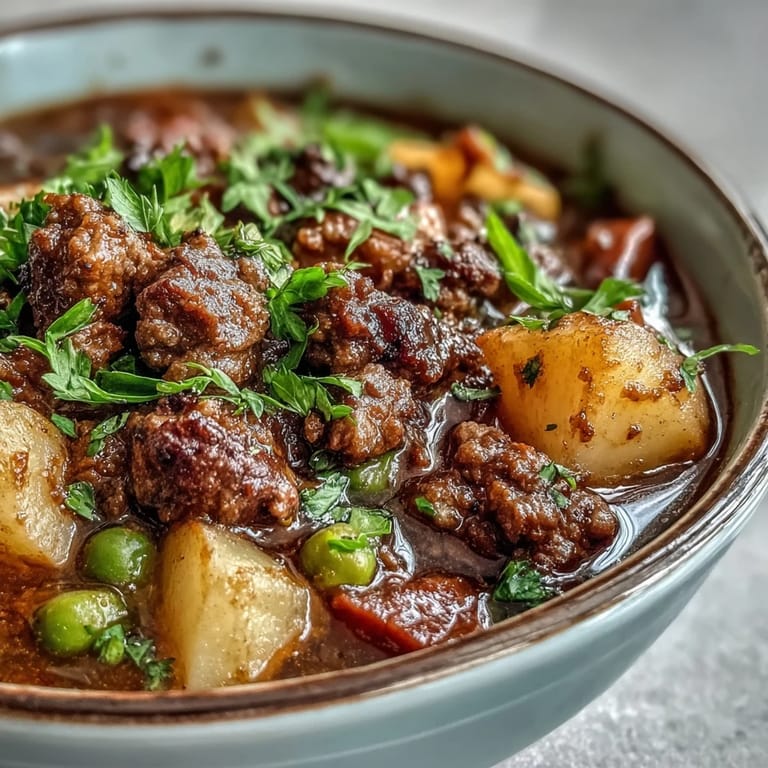
Save A friend who usually picks at soup texted me a photo of an empty bowl with a heart emoji, and that's when I knew this recipe had crossed from 'something I made' into 'something that matters.' There's a particular kind of satisfaction in feeding people food that warms them from the inside out.
Making It Thicker or Thinner
If your soup feels too thin after cooking, you have options that don't involve fancy thickening agents. I sometimes mash a few of the softened potatoes right in the pot with the back of a wooden spoon, releasing their starch to create a naturally thicker base. If you've gone too thick, a splash of extra broth thins it right back out—never feel locked into the first result.
Swaps and Variations That Work
Ground lamb creates a more traditionally British flavor that tastes a bit earthier and slightly gamey in the best way, and you'd prepare it exactly the same way. If you want a vegetarian version, skip the beef entirely and add more potatoes plus a extra cup of broth to keep the volume right. The magic of this soup is that it's flexible enough to become whatever you need it to be while keeping that essential comfort-food feeling.
Pairing and Serving Ideas
Crusty bread is the obvious companion, but I've also served this over mashed potatoes for nights when I wanted something even more indulgent, and with a simple green salad when I needed balance. A cold glass of something crisp on the side cuts through the richness beautifully and makes the meal feel complete.
- Let it cool slightly before serving if you have time—the flavors taste more pronounced when the soup isn't piping hot.
- Make a double batch and freeze half in single servings for mornings when you want lunch already waiting.
- Leftover soup tastes even better the next day as flavors settle and deepen, so don't hesitate to make it ahead.
 Save
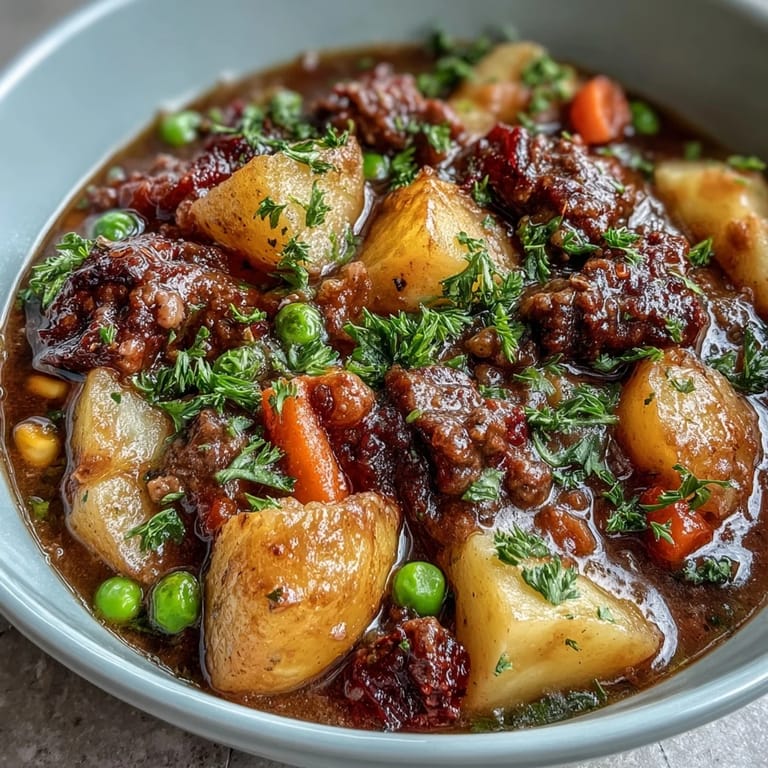
Save This soup has become the thing I make when someone needs feeding, when the weather turns cold, or when I just want my kitchen to smell like someone cares. I hope it does the same for you.
Recipe FAQs
- → Can I substitute ground lamb for the beef?
Yes, ground lamb can be used to bring a more traditional flavor to the dish, enhancing its classic character.
- → How do I thicken the mixture if desired?
For a thicker texture, mash some of the cooked potatoes directly in the pot before serving.
- → What cooking vessel is best for this dish?
A large pot or Dutch oven works well to evenly brown the meat and simmer the ingredients together.
- → Can I make this dairy-free?
To make it dairy-free, substitute milk and butter with plant-based alternatives like almond milk and vegan margarine.
- → Is it possible to prepare this ahead of time?
Yes, prepare in advance and refrigerate. Reheat gently, adding a bit of broth or milk to restore creaminess if needed.