 Save
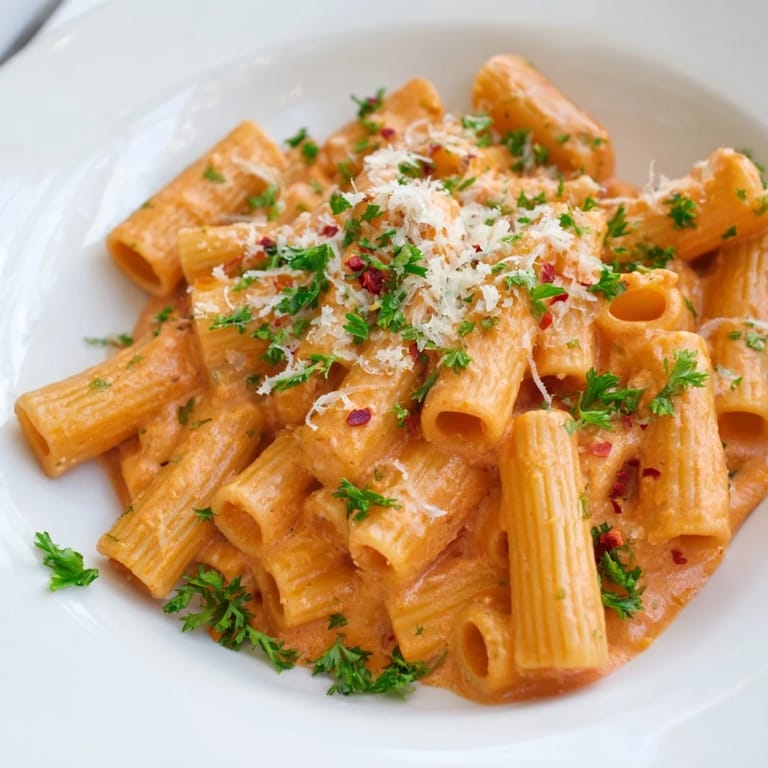
Save The first time I made this, I was scrolling through my phone at midnight, half-asleep, when a video of Gigi Hadid cooking stopped me cold. It was the casual confidence that got me—the way she handled the vodka, how she talked through each step like she wasn't performing for anyone. Two hours later, I'd bought vodka I didn't usually keep in the house and was standing in my kitchen at 1 AM, watching tomato paste darken in a pan. The smell alone made me understand why this recipe went viral; it was rich, warm, and nothing like the quick weeknight pastas I normally made.
I made this for my sister on a random Thursday when she'd had a terrible day, and watching her fork hit the plate over and over, barely pausing to breathe, told me everything. She didn't say much—just kept eating and then asked quietly if I could teach her how to make it. That's when I realized this pasta isn't just dinner; it's the kind of dish that says I was thinking of you, and I took the time to do this right.
Ingredients
- Rigatoni (400 g): The ridges catch and hold the sauce like tiny hands, so don't swap for spaghetti or penne unless you want a totally different experience.
- Olive oil (2 tbsp): Use something you'd actually eat straight, not the stuff reserved for frying; it's the foundation of the flavor base.
- Shallot (1 small, finely chopped): Shallots add a sweetness and depth that onions miss, and their size matters—go small or you'll overpower the delicate balance.
- Garlic (2 cloves, minced): Fresh is non-negotiable here; jarred garlic will taste like regret compared to what you're building.
- Red chili flakes (1 tsp): This is your heat anchor; taste as you go because everyone's tolerance is different, and there's no shame in dialing it down.
- Tomato paste (60 ml): The concentrated tomato flavor does the heavy lifting, and letting it caramelize slightly transforms the entire sauce from flat to dimensional.
- Vodka (60 ml): It cooks off the alcohol but keeps the flavor compounds that make tomato sing; cheap vodka works fine since you're cooking it.
- Heavy cream (120 ml): This is where the richness lives; don't reach for half-and-half and expect the same velvety result.
- Parmesan (60 g, grated): Always grate it fresh if you can; pre-grated cheese has anti-caking agents that keep it from melting smooth.
- Butter (2 tbsp, unsalted): Added at the end, this is the secret to that glossy, restaurant-quality finish that makes you feel like you've done something special.
- Fresh parsley (2 tbsp, chopped): It's not just garnish—it brightens everything and reminds you that you've made something alive, not heavy.
Tired of Takeout? 🥡
Get 10 meals you can make faster than delivery arrives. Seriously.
One email. No spam. Unsubscribe anytime.
Instructions
- Set yourself up:
- Get a large pot of salted water going over high heat while you prep everything else—this is the moment to feel organized and in control. Measure out your pasta water cup before draining because you'll forget otherwise, and trust me, you'll need it.
- Build the flavor base:
- Heat olive oil in a large skillet over medium heat, then add shallot and let it turn translucent and sweet, about 2-3 minutes. Listen for the quiet sizzle; when you add garlic and chili flakes, the smell should make you pause and breathe it in for a second.
- Deepen the tomato:
- Stir in tomato paste and let it sit and darken for 2-3 minutes, stirring occasionally until it smells almost caramelized and looks a shade darker. This step is where magic happens, and it feels like you're unlocking something.
- The vodka moment:
- Pour vodka into the pan slowly, give it a stir, and let it simmer for 2-3 minutes while the alcohol burns off—your kitchen will smell like a fancy restaurant, and you'll feel like a chef.
- Bring it smooth:
- Lower the heat and pour in heavy cream, stirring gently until everything is silky and cohesive, about 2-3 minutes. The sauce should look creamy and inviting, not broken or grainy.
- Finish the sauce:
- Stir in grated Parmesan until it melts completely, then season generously with salt and black pepper—taste it and adjust because seasoning is where most home cooks hold back.
- Bring it together:
- Add your drained pasta to the sauce and toss thoroughly, using tongs or a wooden spoon to coat every piece. If the sauce seems too thick, add reserved pasta water one splash at a time until it flows like you want it to.
- The silk finish:
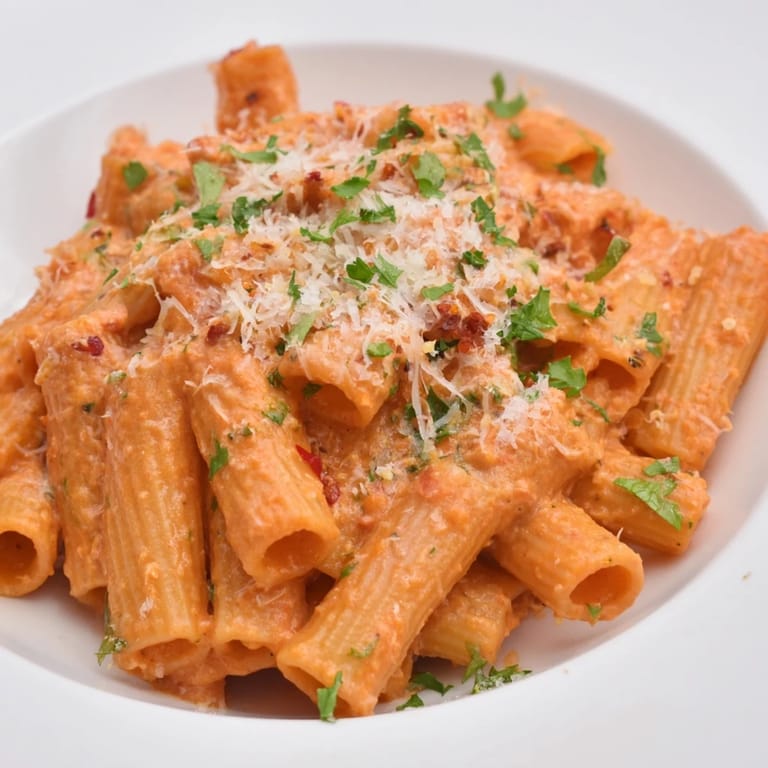
- Stir in butter to give the whole thing an extra sheen and richness, then fold in fresh parsley so the green flecks remind you this is fresh, not heavy. Serve immediately while it's still hot and the flavors are talking to each other.
 Save
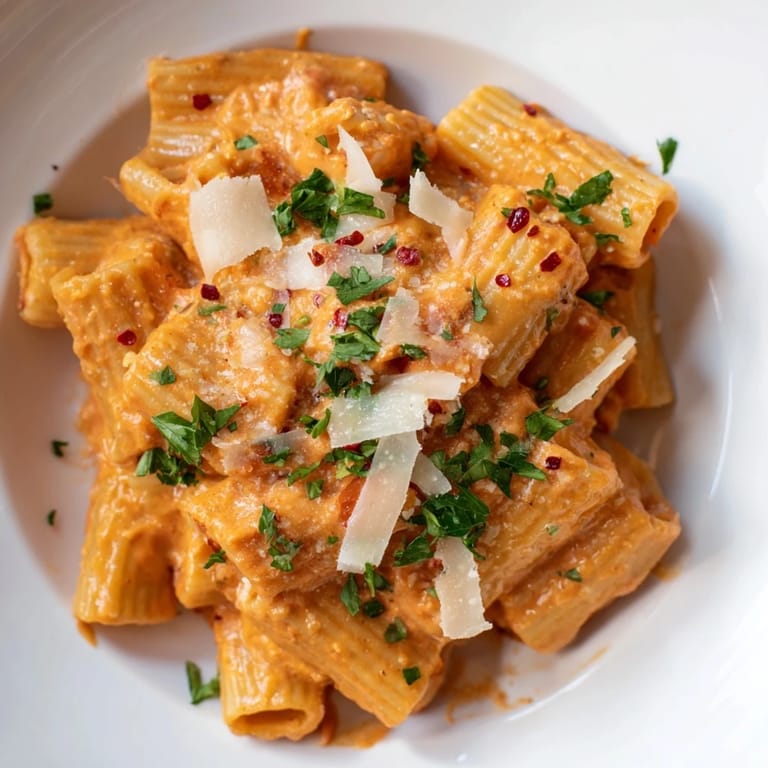
Save The night my best friend came over in the worst mood I'd ever seen, and forty minutes later she was laughing about something completely unrelated, I understood why people keep going back to recipes like this. It's not just food; it's a small gesture that says your feelings matter enough for me to spend time in the kitchen.
The Vodka Question
People get nervous about the vodka, worried it's some food blogger trick or that their kitchen will smell like a bar. The truth is way less dramatic: vodka contains compounds that amplify tomato flavor in ways alcohol-free cooking can't replicate, and by the time you're done simmering, most of the alcohol has cooked off anyway. I've made this with cheap vodka and expensive vodka, and honestly, the difference is barely noticeable because you're cooking it, not drinking it. What matters is not skipping this step and not running the simmer so low that the vodka just sits there—you want a gentle but active bubble that reduces it properly.
Why This Hits Different Than Regular Tomato Pasta
The first time someone asked what made it taste so different from regular marinara, I realized it's the combination of three things working together: the tomato paste getting caramelized so it tastes almost sweet and complex, the vodka lifting and amplifying those flavors, and then the cream and butter rounding everything into something that feels indulgent without being heavy. Regular tomato sauce is bright and quick; this one is slow, rich, and makes you feel like you're eating something that took more thought. It's the kind of pasta that makes weeknight dinner feel intentional instead of obligatory, and somehow that matters more than you'd expect.
Timing and Real-Life Cooking
The timeline here is genuine—10 minutes of actual hands-on prep if you're organized, 25 minutes for cooking, and you're done. I've made this when people were coming over in 45 minutes and it still felt relaxed instead of stressed. The beauty is that most of the cooking time is passive: water boiling, sauce simmering, things that don't need your constant attention. You can set a timer, pour a drink, chop some parsley, and you're basically there. The only moment that demands focus is tossing the pasta with the sauce at the end, and even that takes about two minutes once you're ready.
- Prep your ingredients before you start anything—having shallot, garlic, and parsley chopped means you can move fluidly through the cooking steps.
- If your sauce finishes before the pasta, just turn the heat to low and let it sit; it's actually better to wait than to overcook the pasta trying to sync it up.
- Taste everything multiple times—the salt, the chili, the creaminess—because adjusting at the end is way easier than trying to fix it after plating.
 Save
Save This pasta tastes like care, looks like celebration, and comes together in the time it takes to pour a glass of wine and settle into your evening. Make it for someone you're thinking about, or just for yourself on a night when you deserve something that feels special.
Recipe FAQs
- → How do I achieve the perfect creamy sauce consistency?
Simmer the tomato vodka base gently with heavy cream and Parmesan until smooth, adding reserved pasta water gradually to adjust thickness.
- → Can I adjust the spice level in this dish?
Yes, modify the amount of red chili flakes according to your taste preferences for mild to fiery heat.
- → What are good alternatives for vodka in the sauce?
Water, vegetable broth, or white wine can replace vodka without drastically changing the flavor profile.
- → How to keep the pasta from sticking after draining?
Reserve some pasta water before draining and toss the rigatoni in the sauce promptly to maintain moisture and prevent sticking.
- → What garnishes enhance the overall flavor?
Fresh parsley adds brightness, while extra grated Parmesan contributes tangy richness. A pat of butter enriches silkiness.