 Save
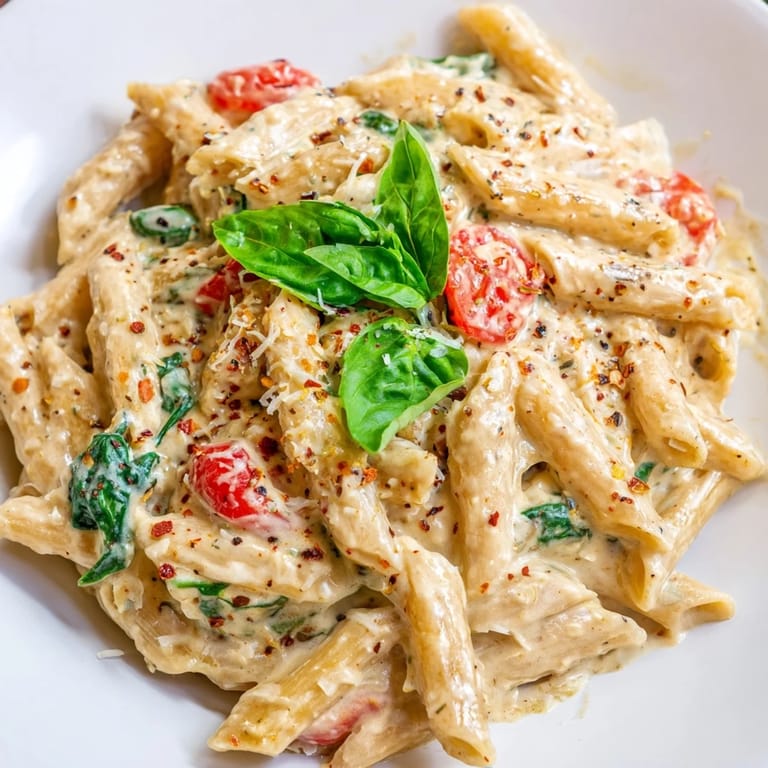
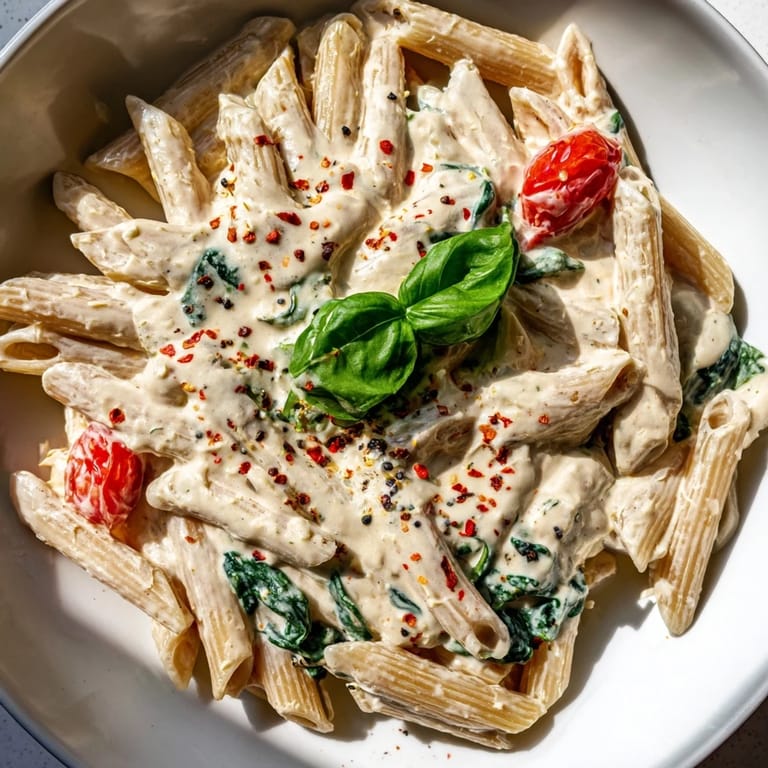
Save I discovered this pasta completely by accident one Tuesday when I opened my fridge to find a container of cottage cheese staring back at me, nearly forgotten. Instead of tossing it, I wondered what would happen if I blended it smooth with a splash of milk and garlic, and suddenly I had this luxuriously creamy sauce that clung to every strand of pasta. My kitchen smelled incredible, and what started as a rescue mission became the dish I now make on nights when I need something nourishing but don't want to fuss.
I made this for my roommate who swore she didn't like cottage cheese, and watching her spoon up a second bowl without realizing what she was eating was one of those quiet kitchen victories that made me smile. She's still convinced I'm keeping some secret ingredient from her, but it's really just about breaking past the texture in your head and letting it become something completely different.
Ingredients
- Whole wheat or regular pasta (12 oz): Choose whatever shape you love—I go for penne because it traps the sauce beautifully, but fusilli or even linguine work just as well.
- Low-fat cottage cheese (1 1/2 cups): This is the star, and the low-fat version blends smoother than full-fat without adding unnecessary heaviness.
- Milk (1/2 cup): Use whatever you have on hand—dairy, almond, oat, it all works because you're just thinning the blend to the right consistency.
- Grated Parmesan cheese (1/4 cup): Don't skip this; it adds that umami depth that makes people ask what you did differently.
- Garlic (2 cloves): Fresh garlic is non-negotiable here because it gives the sauce personality and prevents it from tasting flat.
- Extra-virgin olive oil (2 tbsp): Good oil matters—it rounds out the sauce and adds richness you can actually taste.
- Salt and black pepper: Season to your taste; remember you can always add more but you can't take it out.
- Red pepper flakes (optional): A tiny pinch turns this into something with character, especially if you like a whisper of heat.
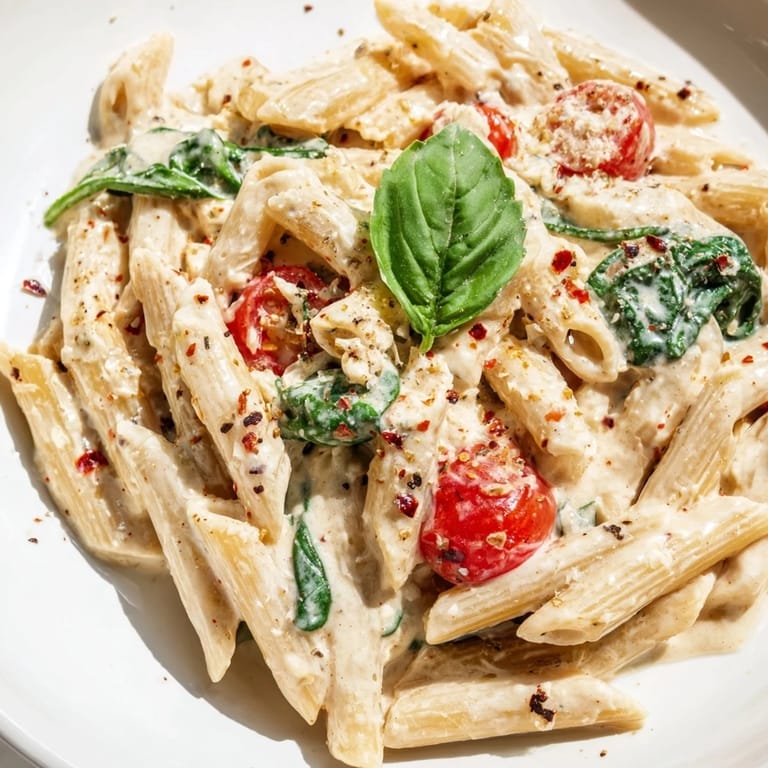
- Baby spinach (2 cups) and cherry tomatoes (1/2 cup): These are optional but they brighten everything and add real vegetables to your plate, not just pasta.
- Fresh basil and extra Parmesan for garnish: The basil at the end tastes completely different from basil cooked in the sauce, so don't skip this step.
Tired of Takeout? 🥡
Get 10 meals you can make faster than delivery arrives. Seriously.
One email. No spam. Unsubscribe anytime.
Instructions
- Start your water and get organized:
- Fill a large pot with salted water—it should taste like the sea—and bring it to a rolling boil while you gather everything else. This is the moment to get your blender ready and chop your vegetables so you're not scrambling later.
- Cook the pasta:
- Drop your pasta in and set a timer according to the package, but start testing a minute or two before it says it's done. You want it tender but with just a tiny bit of resistance when you bite it, and remember to scoop out about half a cup of that starchy cooking water before you drain everything.
- Blend the magic:
- While the pasta finishes, dump the cottage cheese, milk, Parmesan, garlic, olive oil, salt, pepper, and red pepper flakes into your blender and let it run until it's completely smooth and creamy. You should have something that looks silky, not grainy—this usually takes about 30 seconds at high speed.
- Bring it together gently:
- Return your drained pasta to the pot (don't turn the heat off completely, keep it low), pour in that gorgeous sauce, and start tossing everything together. Add your reserved pasta water a little at a time, stirring until the sauce coats the noodles and flows around them like it belongs there.
- Finish with the vegetables:
- Stir in your spinach and tomatoes if you're using them, and let everything cook just until the spinach wilts and softens—this only takes a minute or two. Taste as you go and adjust the seasoning because this is the last chance to make it exactly how you want it.
- Serve immediately:
- Plate it up while it's warm, tear some fresh basil over the top, and shower it with a little more Parmesan. There's something about eating this right away, when the sauce is still flowing and the basil is still bright, that makes it taste better than leftovers ever will.
 Save
Save There was a moment when I watched my normally skeptical partner get excited about a weeknight pasta dinner, genuinely asking for seconds, and I realized that good food doesn't need to be complicated or pretentious—sometimes it just needs to be real and made with something close to care. That's what this recipe means to me now.
Why This Works So Well
Cottage cheese gets unfairly maligned, but when you blend it smooth with a little milk and good Parmesan, it becomes a sauce that's creamy without being heavy or sitting in your stomach like a brick. The protein content is genuinely impressive, which means this isn't just comfort food—it's actually nutritious, the kind of thing you can feel good about eating multiple times a week. Plus, there's something satisfying about transforming an ingredient people usually eat for breakfast or snacks into something completely different, something that makes people stop and ask what you did.
Easy Variations That Keep Things Interesting
This recipe is intentionally flexible because sometimes you have different vegetables in your crisper drawer or you're cooking for someone with preferences you need to respect. Swap the spinach for kale if you like something with more texture, or use arugula for a peppery kick that surprises your palate. You can add cooked chicken or crispy tofu cubes for even more protein, or keep it vegetarian—the sauce is rich enough that it doesn't feel like anything's missing.
Seasoning and Tasting as You Go
The best cooks taste their food constantly, adjusting salt and pepper in real time, and that's especially important here because every cottage cheese brand tastes slightly different and your pasta water contributes salt too. The heat should stay low when you're combining everything because high heat can make the sauce break—keep it gentle and keep stirring so the cottage cheese stays smooth instead of curdling. This is one of those dishes where the final minute of cooking matters as much as the first ten.
- Fresh basil at the end tastes infinitely better than if you cooked it in the sauce, so treat it as part of the final plating, not an ingredient to toss in early.
- Save a little extra Parmesan for the table so people can add as much as they want—some people love it covered in cheese and others prefer to taste the sauce itself.
- Leftover pasta will be thicker the next day because the noodles keep absorbing sauce, so add a splash of milk or water when you reheat it and you'll get back that creamy consistency.
 Save
Save This is the kind of recipe that sneaks into your regular rotation because it's easy, it tastes better than you'd expect from something so simple, and it makes you feel like you're taking care of yourself without any real effort. Make it once, and I promise you'll be reaching for it again.
Recipe FAQs
- → What type of pasta works best with this dish?
Whole wheat penne or fusilli hold the sauce well, but regular pasta of similar shapes can also be used.
- → Can I use a plant-based milk for the sauce?
Yes, unsweetened plant-based milk like almond or oat milk can replace dairy milk without affecting the creamy texture.
- → How can I make this dish gluten-free?
Simply substitute the regular pasta with certified gluten-free pasta varieties available in most stores.
- → Is it possible to add more vegetables?
Absolutely, arugula, kale, or peas can be great alternates or additions to spinach and cherry tomatoes.
- → What protein additions complement this pasta?
Cooked chicken breast or sautéed tofu cubes blend well for extra protein and texture variety.
- → How do I achieve the perfect sauce consistency?
Adding reserved pasta cooking water gradually helps thin the sauce to a creamy, coatable consistency without thinning it too much.