 Save
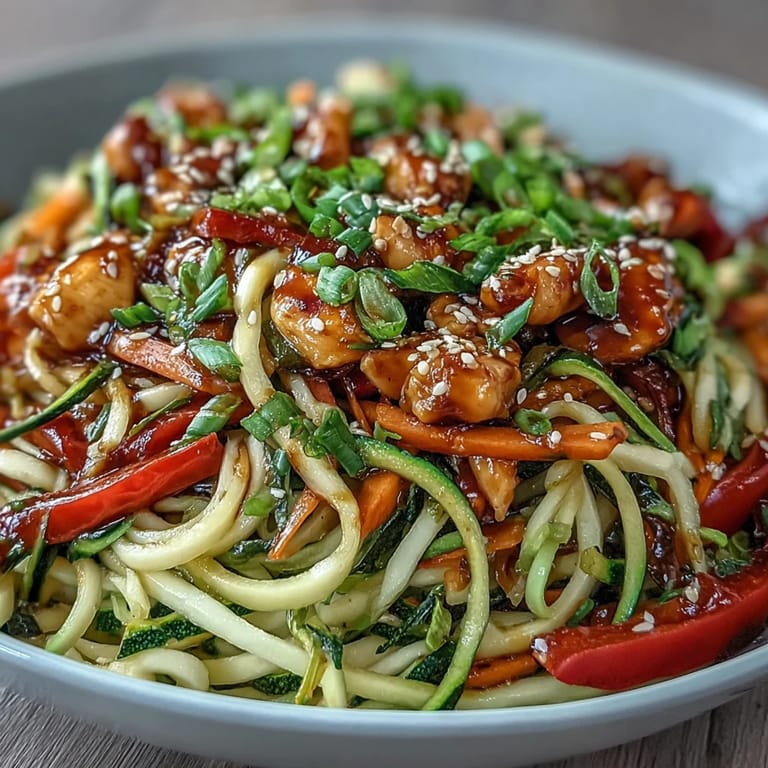
Save One Tuesday evening, I found myself staring at a bundle of zucchini from the farmer's market and wondering if I could finally justify buying that spiralizer gathering dust in my cabinet. My partner had just mentioned wanting to eat lighter, so I improvised a stir-fry that turned out to be exactly what we both needed: quick, colorful, and satisfying without the heavy feeling that usually comes after dinner. The kitchen smelled incredible within minutes, and somehow this dish became our go-to on nights when we wanted something that felt both indulgent and genuinely good for us.
I made this for my sister when she was visiting and mentioned she'd gone back to watching her carb intake. She took one bite and immediately asked for the recipe, which honestly felt like the highest compliment since she's usually skeptical about anything labeled "healthy." Now she texts me photos of her versions with different vegetables, and I love that this dish became something we both reach for without thinking twice.
Ingredients
- Boneless, skinless chicken breast (500g): Slice it thin so it cooks fast and stays tender; partially freezing it for 20 minutes makes this easier.
- Medium zucchini (3): Spiralize just before cooking to prevent them from releasing water, which is the secret to keeping them from turning into mush.
- Red bell pepper (1 large): The bright color isn't just pretty; it adds natural sweetness that balances the umami from the soy sauce.
- Carrots (2 medium): Julienne them thin so they cook at the same pace as everything else and add a subtle crunch.
- Red onion (1 small): Thinly slice it to let the heat soften it without losing its structure or sharp edge.
- Garlic (2 cloves) and fresh ginger (1 tablespoon): Mince them fine so they bloom instantly when they hit the hot oil, releasing all their aromatic magic.
- Green onions (2): Reserve these for garnish at the very end to keep them fresh and bright.
- Low-sodium soy sauce or tamari (3 tablespoons): Tamari is your friend if anyone at the table needs gluten-free; it tastes just as good.
- Sesame oil (1 tablespoon): This small amount goes a long way; don't skip it or substitute it with regular oil, as it's what makes the sauce taste unmistakably Asian.
- Rice vinegar (1 tablespoon): It brightens everything without overpowering, which I learned after accidentally using regular vinegar once.
- Honey or maple syrup (1 tablespoon): Either works beautifully; the slight sweetness rounds out the salty-savory-spicy balance.
- Cornstarch (1 teaspoon, optional): Use this only if you want a thicker sauce that clings to the noodles like a glaze.
- Chili flakes (1/2 teaspoon, optional): Add heat gradually and taste as you go; some nights you want fire, other nights you don't.
- Olive oil or neutral cooking oil (1 tablespoon): Choose something with a high smoke point so it doesn't burn during the high-heat cooking.
- Salt and freshly ground black pepper: Season the chicken first, then taste at the end and adjust; the soy sauce adds saltiness, so go light.
Tired of Takeout? 🥡
Get 10 meals you can make faster than delivery arrives. Seriously.
One email. No spam. Unsubscribe anytime.
Instructions
- Make the sauce first:
- Whisk soy sauce, sesame oil, rice vinegar, honey, and cornstarch (if using) together in a small bowl, then sprinkle in the chili flakes. This way you're not scrambling to combine everything while the pan is screaming hot.
- Sear the chicken until golden:
- Heat your oil over medium-high heat until it shimmers, add the sliced chicken with a light sprinkle of salt and pepper, and let it sit for a minute before stirring so it develops color. After 4 to 5 minutes of stirring occasionally, it should be cooked through and set aside on a clean plate.
- Build the flavor base:
- Without wiping the skillet, add minced garlic, ginger, and sliced onion to the same oil and let them sizzle for about a minute until the smell makes you close your eyes for a second. This is when your kitchen transforms.
- Cook the sturdy vegetables:
- Toss in the carrots and bell pepper, stirring often for 2 to 3 minutes until they soften slightly but still have some snap. You're looking for that golden moment between raw and soft.
- Add the zucchini noodles gently:
- Stir in the spiralized zucchini and cook for only 1 to 2 minutes, watching closely because this is where most people accidentally turn them into baby food. They should still feel light and slightly firm when you taste one.
- Bring it together:
- Return the chicken to the skillet, pour in the sauce, and toss everything together for 1 to 2 minutes so the sauce coats every strand and thickens slightly if you added cornstarch. The whole kitchen will smell absolutely incredible at this point.
- Taste and finish:
- Remove from heat, taste a bite, and add more salt, pepper, or a splash of vinegar if you want it brighter. Serve immediately while the zucchini is still slightly warm but maintains its texture, topped with sliced green onions.
 Save
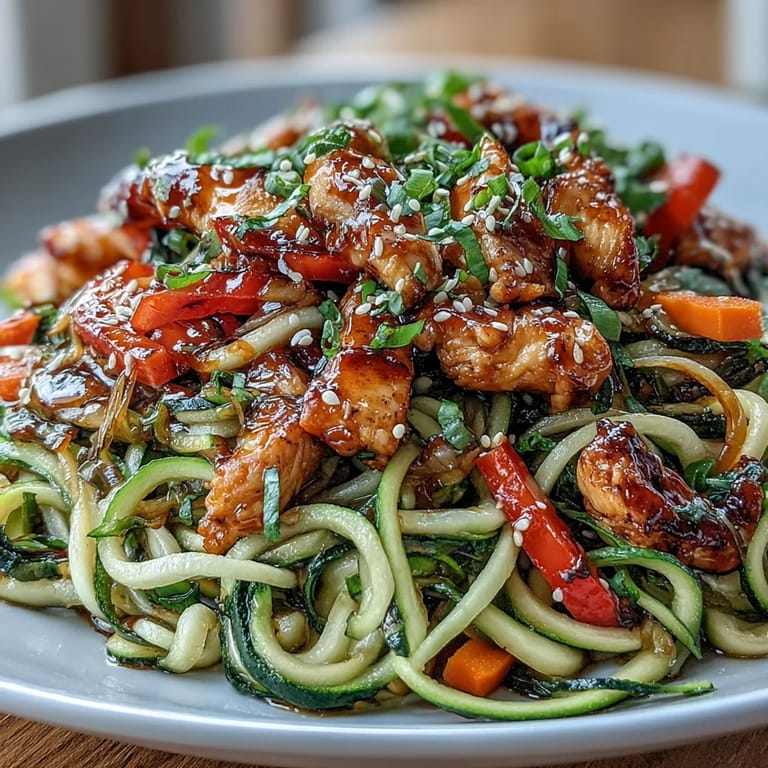
Save There's something special about watching someone taste this and realize it's healthy without tasting like punishment. My neighbor came over for a quick lunch, tried this, and said it was the first time she'd felt full and energized after eating rather than sluggish, which stuck with me and made me understand why this dish keeps getting made in my kitchen.
Why the Sauce Matters So Much
The sauce is where all the magic lives in this dish, and I learned this the hard way by once trying to wing it with just soy sauce and garlic. When you whisk together that sesame oil, rice vinegar, and honey, you're creating a balance that makes your brain want more: salty, tangy, sweet, and aromatic all at once. The cornstarch is optional but worth using if you want the sauce to cling to the noodles instead of pooling at the bottom of the pan, making every bite complete.
Variations That Actually Work
I've swapped the chicken for cubed tofu on nights when I'm making this for vegetarian friends, and it absorbs the sauce beautifully if you press it first and give it enough time in the pan to get a little golden. You can also throw in snap peas, broccoli florets, mushrooms, or baby bok choy without changing the cooking time much; just keep everything around the same thickness so it cooks evenly. One discovery I made by accident was adding a tablespoon of peanut butter to the sauce, which sounds weird but creates this incredible depth that makes people ask for seconds.
Serving Ideas and Pairings
This dish shines on its own, but I sometimes serve it over cauliflower rice if I want to stretch it further or add a little more substance without breaking the low-carb vibe. A crisp, dry white wine like Sauvignon Blanc or even a light lager cuts through the richness of the sesame oil beautifully if you're having a proper dinner moment. As a quick bonus, toasted sesame seeds sprinkled on top add texture and nuttiness, while fresh cilantro brings brightness that makes the whole thing taste like you tried harder than you actually did.
- Toasted sesame seeds, cilantro, or sliced red chilies make excellent last-minute garnishes that cost almost nothing.
- Leftover stir-fry reheats gently in a skillet over low heat; don't use the microwave or you'll soften the zucchini further.
- This pairs surprisingly well with a side of steamed dumplings or crispy spring rolls if you want to make it feel like takeout night at home.
 Save
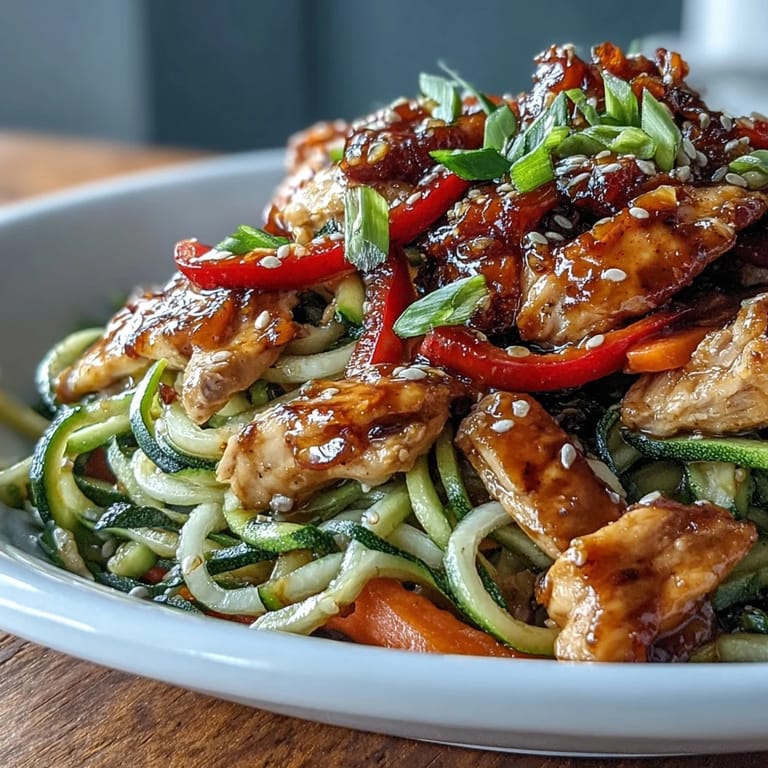
Save This stir-fry has become my answer to "I want something that tastes indulgent and feels good," and I hope it becomes yours too. Make it once, and you'll find yourself reaching for it again and again.
Recipe FAQs
- → How do I prevent zucchini noodles from becoming soggy?
Stir-fry the zucchini noodles briefly, about 1-2 minutes, to soften them slightly while retaining their crunch. Avoid overcooking to maintain texture.
- → Can I substitute chicken with other proteins?
Yes, tofu works well as a vegetarian alternative and can be cooked using the same method for a flavorful dish.
- → What sauce ingredients provide the savory flavor?
A combination of low-sodium soy sauce or tamari, sesame oil, rice vinegar, and honey creates a balanced savory and slightly sweet sauce.
- → Is this dish suitable for gluten-free diets?
Use tamari instead of soy sauce to keep the dish gluten-free. Always check ingredient labels to ensure compliance.
- → What garnishes enhance this stir fry?
Sliced green onions add freshness, while toasted sesame seeds or chopped cilantro provide extra flavor and texture.