 Save
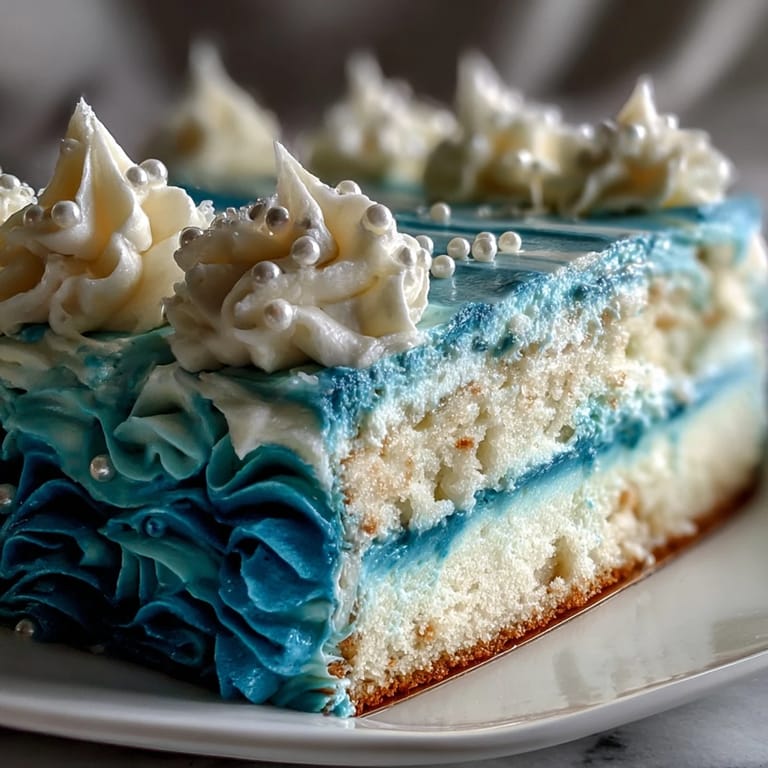
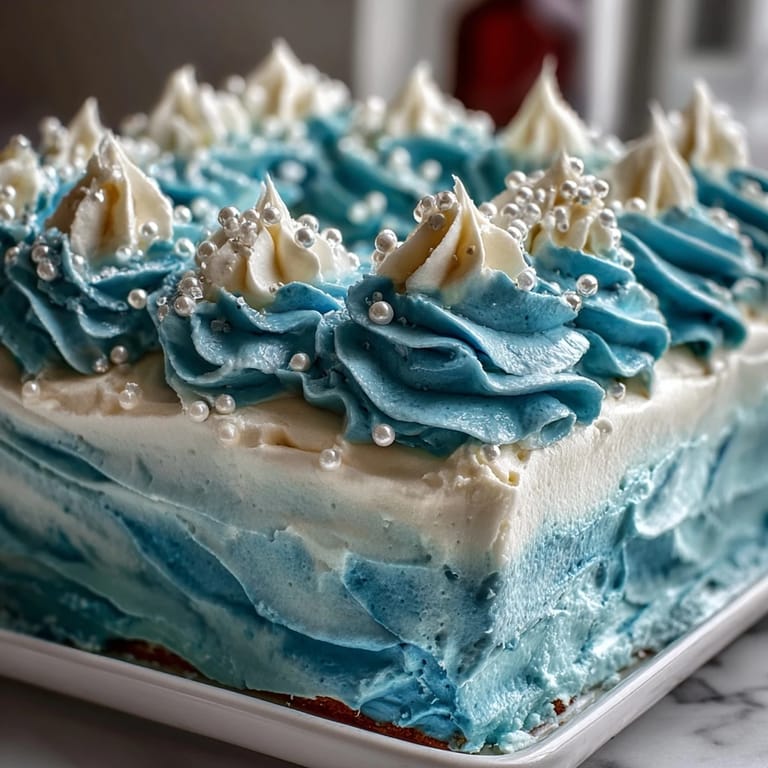
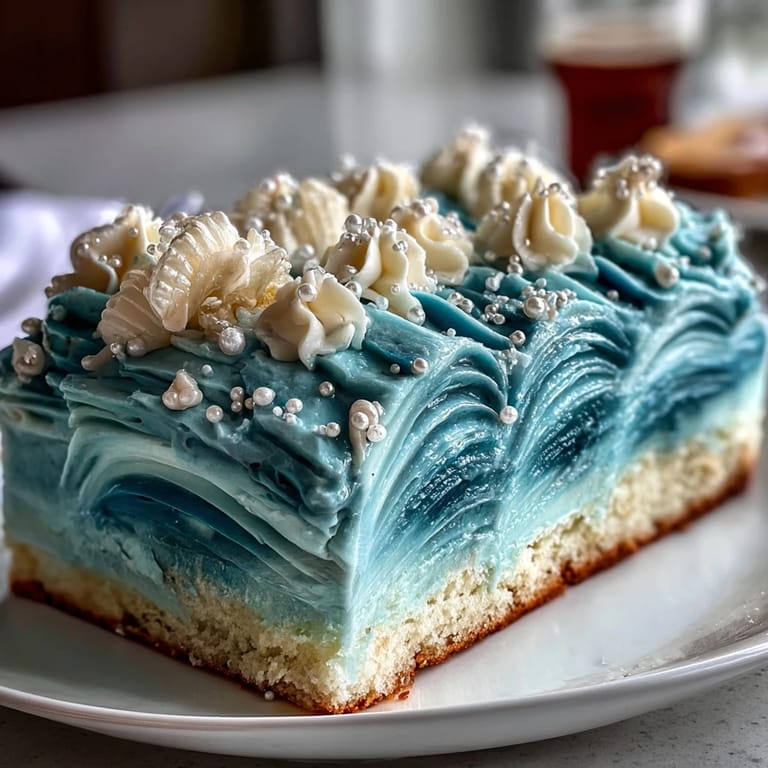
Save My sister came home with a Pisces zodiac calendar one January, and I remember her pointing at the water-sign symbol with this wistful smile, saying she wished desserts could capture that dreamy ocean feeling. Three weeks later, I found myself at midnight with food coloring and buttercream, trying to pipe waves that actually looked like water instead of abstract blue squiggles. This cake became my answer to her wish—a moist vanilla sponge draped in layers of blue ombré frosting that genuinely resembles the sea if you squint and let yourself believe in a little kitchen magic.
I made this for my roommate's birthday party, and watching her face when she saw it was worth every minute of frosting rehearsal. The cake got demolished in about fifteen minutes, but not before everyone asked for the recipe and started naming their own zodiac desserts on the spot. That night reminded me that food doesn't need to be complicated to feel special—it just needs to be made with a little bit of intention and maybe some very blue buttercream.
Ingredients
- All-purpose flour (2 ½ cups): This is your cake's foundation, so make sure it's fresh and airy from sifting, which sounds fussy but genuinely affects the tender crumb you're after.
- Baking powder (2 ½ tsp): The gentle lift that keeps this cake delicate rather than dense—don't skip this or reduce it thinking you're being clever.
- Salt (½ tsp): Brings out the vanilla and makes the whole thing taste less flat, even though you won't taste salt specifically.
- Unsalted butter (1 cup plus 1 ½ cups for frosting): Room temperature butter creams into fluff that holds air, which is the whole secret to tender cake and silky frosting.
- Granulated sugar (1 ¾ cups): Creamed with butter until pale, this dissolves into moisture and sweetness throughout.
- Eggs (4 large, room temperature): Cold eggs won't blend smoothly into the batter, so pull them out thirty minutes before you start mixing.
- Pure vanilla extract (1 tbsp for cake, 2 tsp for frosting): The one ingredient that makes people ask what vanilla you used because it smells so good.
- Whole milk (1 cup for cake, ¼ cup for frosting): Room temperature milk helps the batter stay smooth and emulsified instead of breaking into a grainy mess.
- Powdered sugar (5 cups): Sift this before you use it because lumps in buttercream are a tragedy that's easy to avoid.
- Blue gel food coloring (various shades): Gel coloring doesn't water down your frosting like liquid coloring does, which matters when you're trying to pipe clean waves instead of mushy frosting.
- White gel food coloring: Keeps your white frosting and foam detail bright instead of looking dingy.
- Edible pearls or sugar pearls (optional): These catch light and look like tiny drops of ocean if you scatter them across the waves with a light hand.
Tired of Takeout? 🥡
Get 10 meals you can make faster than delivery arrives. Seriously.
One email. No spam. Unsubscribe anytime.
Instructions
- Prep your pan and gather your courage:
- Preheat the oven to 350°F and line a 9x13-inch sheet pan with parchment paper—this matters because it keeps the edges from drying out and makes cleanup almost enjoyable. Have all your ingredients ready and at room temperature, which sounds pedantic until you realize cold eggs actually break the emulsion and ruin your batter.
- Combine the dry ingredients:
- Whisk flour, baking powder, and salt together in a bowl and set aside. This distributes the leavening evenly so you don't get pockets of cake that rise differently than others.
- Cream butter and sugar into clouds:
- Beat room-temperature butter and sugar on medium speed for about three minutes until the mixture looks pale, fluffy, and lighter than it started—this aeration is what gives the cake its tender crumb. If your mixer is too wimpy, you're doing this by hand, and honestly, your arm is getting a better workout than your mixer ever could.
- Add eggs one at a time like you mean it:
- Add each egg individually and beat well after each addition so the mixture stays smooth and emulsified. If you dump all four eggs in at once, the batter might break and look curdled, which is a cosmetic issue but feels like failure.
- Fold in vanilla and the flour-milk mixture:
- Add vanilla extract, then alternate adding the flour mixture and milk, starting and ending with flour, mixing on low speed until just combined. The moment you don't see streaks of flour is the moment you stop—overmixing develops gluten and makes the cake tough, which is the opposite of what you want.
- Pour and bake with patience:
- Pour the batter into your prepared pan and smooth the top gently. Bake for 28-32 minutes until a toothpick inserted in the center comes out clean, which will feel like an eternity if you keep opening the oven door.
- Cool with respect for the process:
- Let the cake cool in the pan for ten minutes—this is not optional—then transfer it to a wire rack to cool completely. Frost a warm cake and your frosting will slide right off like it's been rejected, so patience here saves you grief later.
- Beat butter into creamy frosting:
- Beat room-temperature butter on medium speed for two minutes until it's pale and aerated, then gradually add sifted powdered sugar while mixing on low. Add vanilla and milk and beat until you have frosting that's fluffy, smooth, and spreadable without being greasy.
- Create your ocean color palette:
- Divide the frosting into 3-4 bowls and tint each with different shades of blue gel coloring, going from deep ocean blue to pale aqua, with one bowl left white. Gel coloring is your friend here because it doesn't thin out the frosting like liquid food coloring does.
- Apply the crumb coat:
- Spread a thin layer of white frosting over the entire cooled cake and chill it for twenty minutes—this catches all the crumbs and gives you a clean surface to pipe waves onto. It feels like an extra step, but it's the difference between a polished cake and one that looks like it got attacked by a frosting blender.
- Pipe ocean waves with sweeping motions:
- Using an offset spatula, layer the blue buttercreams in wave-like shapes from bottom to top, starting with the darkest shade and working toward the lightest. Use long, swooping motions that mimic how actual water moves, which is more forgiving than you'd think.
- Add white foam to complete the illusion:
- Pipe or swirl white frosting across the top to create sea foam that catches light and makes the whole thing look like an ocean frozen in buttercream.
- Decorate if the mood strikes:
- Add edible pearls scattered across the waves or a Pisces symbol made from white chocolate or fondant if you want to lean into the zodiac moment. These touches are optional, but they're also what make people stop and actually look at the cake before eating it.
 Save
Save The moment that sold me on this cake was when my friend brought her daughter into the kitchen to help with decorations, and the girl started narrating the waves like she was describing a real ocean. Watching a child take the frosting seriously, trying to make the waves match the water in her imagination, reminded me that sometimes the best recipes are the ones that invite people into the creative process instead of just feeding them.
Why Gel Coloring Changes Everything
The first time I made this cake, I grabbed liquid food coloring from my baking cabinet without thinking twice. The frosting turned soupy, the waves looked muddy, and I spent an hour adding powdered sugar to salvage the consistency. The second time, armed with gel coloring and wounded pride, I made the exact same recipe and the frosting cooperated beautifully. Gel coloring is concentrated, so a tiny bit goes a long way, and it doesn't add water to your frosting—it just tints it without changing the texture.
The Crumb Coat Revelation
I used to skip the crumb coat because it felt like unnecessary work, and then I'd spend twenty minutes chasing cake crumbs through my frosting like they were tiny edible confetti. That thin layer of white frosting is a barrier between your cake and your decorative frosting, and it makes the whole process feel less stressful because the crumbs get trapped in the white layer instead of disrupting your waves. Once you do it once, you'll never skip it again.
Storage, Flavor Boosting, and Final Thoughts
This cake keeps beautifully in an airtight container for up to four days, which means you can bake it ahead and frost it fresh if timing matters for your gathering. The vanilla flavor is delicate enough to let other flavors shine through, so consider adding lemon zest to the batter if you want a subtle citrus note, or a touch of almond extract if you're feeling fancy. The frosting pipes best when the cake is completely cool and the buttercream is at room temperature but still hold its shape, which sounds mysterious but really just means don't overthink it.
- If you're piping waves and they look jagged, a warm offset spatula (run under hot water and dried) can smooth them into something that looks intentional.
- Edible pearls are pretty but optional—the cake is stunning without them if you're avoiding that extra expense or availability issue.
- This cake is vegetarian but not vegan, so keep that in mind if you're feeding people with dietary preferences.
 Save
Save This cake lives at the intersection of whimsy and technique, where baking becomes a little more forgiving if you stop expecting perfection. Every ocean wave on your cake is going to be different, and that's exactly the point.
Recipe FAQs
- → How do I achieve the ombré blue effect in the frosting?
Divide the buttercream into multiple bowls and tint each with varying blue gel food coloring shades, from darkest to lightest. Apply in layers with an offset spatula to create a smooth gradient resembling ocean waves.
- → What is the best way to pipe the wave designs?
Use an offset spatula or piping bags fitted with round or petal tips. Spread or pipe in swooping motions from dark at the base to light at the top to mimic the natural flow of ocean waves.
- → Can I prepare the cake in advance?
Yes, bake and cool the sponge completely before applying the buttercream. You can refrigerate between decorating steps to allow the buttercream to set for cleaner lines.
- → What ingredients provide the moist texture in the sponge?
Room temperature butter, eggs, and whole milk combine with pure vanilla extract to create a tender and moist vanilla sponge.
- → Are edible pearls necessary for decoration?
No, edible pearls are optional. They add a shimmering accent that complements the ocean theme but can be omitted without affecting texture or taste.