 Save
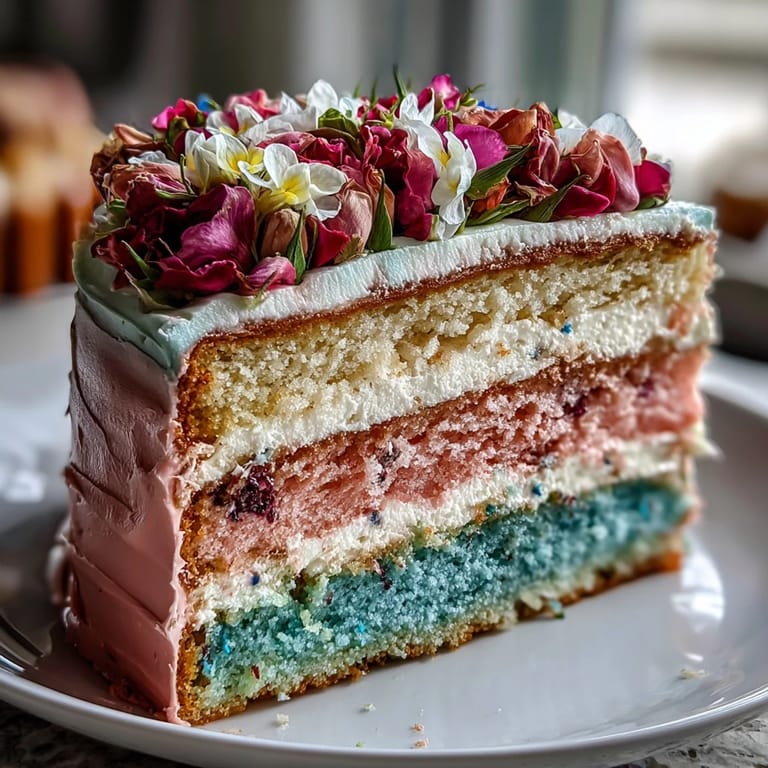
Save The first time pastel ombre hues danced across my kitchen, it was hardly planned. I was elbows deep in flour and sugar, and every surface gleamed with hopeful spring sunlight. The gentle scent of vanilla mingling with buttery sweetness is still vivid, especially after I accidentally dropped a spoonful of pink batter onto my sock. Sometimes, it's the playful mistakes that coax a cake into something memorable. Decorating with edible blooms felt almost like painting—except the canvas was soft, sweet, and ready for celebration.
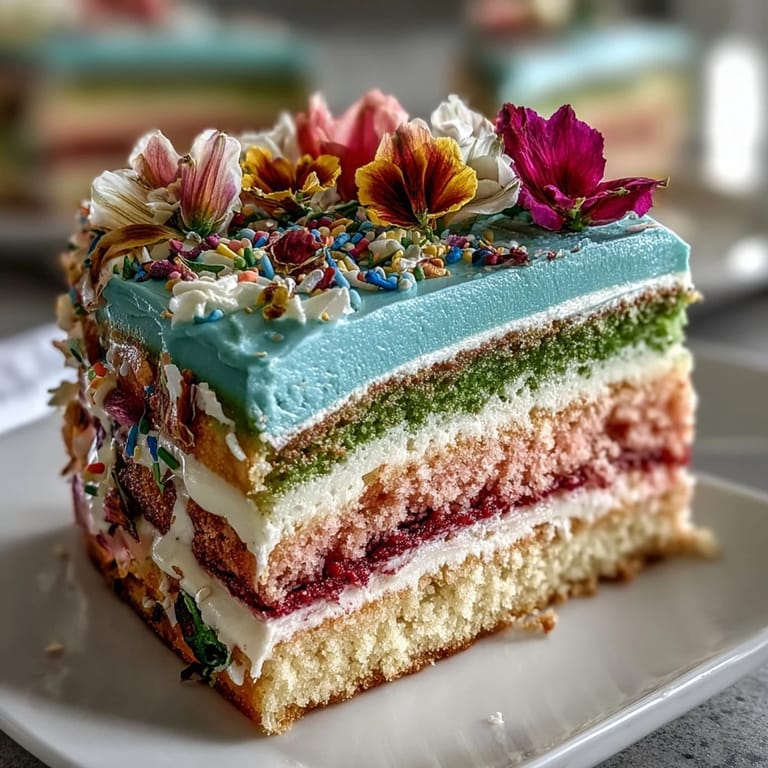
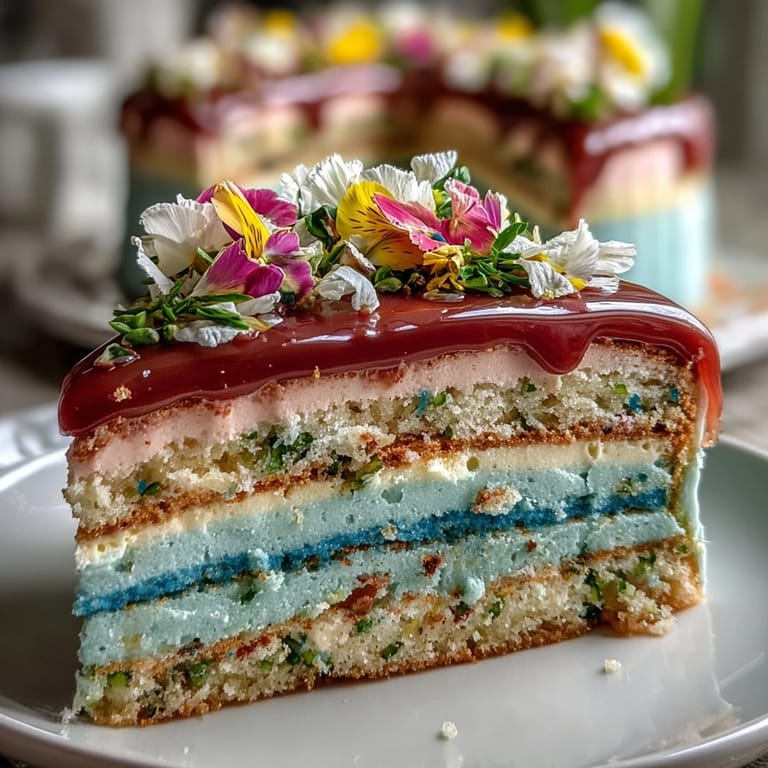
One rainy afternoon, I found myself baking this cake for a friend's spring baby shower. We took turns swirling pastel food coloring into the batter, giggling when green overtook blue in a candy-like swirl. Watching everyone delight in slicing through the soft gradient, I realized how much joy a homemade cake can bring to a room. The floral topper sparked questions—"Can I eat this?"—and laughter as pansies were gently plucked from the crown and tasted for the first time.
Ingredients
- All-purpose flour: Gives the cake structure and softness; always sift for a lighter crumb.
- Baking powder and baking soda: These ensure your layers rise evenly; double-check expiration dates.
- Salt: Enhances flavors subtly—don't skip it!
- Unsalted butter: Carries the richness; room temperature is key to smooth mixing.
- Granulated sugar: Sweetness and gentle texture; I like to pulse it briefly for extra fine grains.
- Eggs: Bind and help fluff up the cake; bring to room temp for easy incorporation.
- Vanilla extract: Adds warmth; pure vanilla makes a noticeable difference.
- Whole milk: Moisture and richness; avoid cold milk, which can cause batter to seize.
- Gel food coloring: Delivers vibrant pastel tones without thinning batter; use sparingly at first.
- Powdered sugar: Sift for the silkiest frosting; lumps can ruin the smooth effect.
- Edible flowers: Completely organic and safe to eat; always inspect for freshness.
Tired of Takeout? 🥡
Get 10 meals you can make faster than delivery arrives. Seriously.
One email. No spam. Unsubscribe anytime.
Instructions
- Prep Your Pans:
- Grease and line three 8-inch cake pans, so layers slip out easily and edges stay crisp.
- Mix the Dry Ingredients:
- Whisk flour, baking powder, baking soda, and salt together—listen for the gentle whoosh as you combine.
- Cream Butter & Sugar:
- Beat butter and sugar until the texture turns pale and fluffy; pause to scrape down the bowl for evenness.
- Add Eggs & Vanilla:
- Drop in eggs one at a time, with patient mixing, then pour in vanilla and watch it swirl into the buttery mix.
- Combine & Color the Batter:
- Alternate flour mixture and milk, making sure everything just blends, then divide and tint each portion while marveling at the pastel transformation.
- Bake & Cool:
- Pour colored batters into pans, bake until tops spring back, then cool briefly and turn onto wire racks for complete cooling.
- Make Buttercream:
- Beat butter until creamy, then add powdered sugar, vanilla, and milk or cream—tint with gentle pastel shades and enjoy the creamy, cloudlike texture.
- Assemble & Frost:
- Level cake layers, spread pastel buttercream between them, crumb coat, then blend frostings for an ombre effect on the outside.
- Add Floral Topper:
- Arrange edible flowers gently, letting them nestle into buttercream just before serving.
 Save
Save When my sister saw the finished cake one spring morning, she laughed and said it looked "too pretty to eat." The moment she took a bite, her smile broadened and we agreed beauty doesn't always mean delicate—sometimes it's simply delicious. That was the day I started believing a cake can be both artful and inviting.
Smooth Pastel Frosting, Every Time
If you're after a seamless ombre effect, patience while blending is essential. I discovered that using an offset spatula and gently swirling colors together creates a dreamy finish without harsh lines. Try chilling the cake briefly between layers to set the buttercream and prevent colors from muddying. Pastel shades appear more vivid if you avoid bright kitchen lights while frosting. A cake turntable makes smoothing easier, but a slow hand works just as well.
Choosing Safe Edible Flowers
Edible flowers bring both flavor and drama to the cake. Always source them from markets or farms that certify them as organic and edible. Avoid flowers from florists, as these may be treated or sprayed. Before topping, lightly rinse and dry flowers to keep petals crisp. Pansies and violas lend a gentle grassy sweetness, while chamomile adds a hint of spring aroma.
Troubleshooting Ombre Layers
Sometimes a bold color sneaks in, overshadowing your gentle ombre pattern—don't panic. If layers bake unevenly, trim the tops and layer so the gradient looks intentional. Use gel coloring for control, and gently swirl for each bowl. If batter feels stiff after coloring, loosen with a spoonful of milk and mix delicately.
- Check each layer with a toothpick for doneness.
- Let the cake rest before stacking.
- Decorate only once completely cool.
 Save
Save Every slice invites conversation and makes spring celebrations feel just a bit more magical. I hope your kitchen fills with laughter and color as you craft this pastel showpiece.
Recipe FAQs
- → How do I achieve smooth ombre pastel layers?
Divide batter evenly, tint each portion with gel coloring, and gently mix until desired pastel gradient is reached. Bake separately for uniform shades.
- → Which edible flowers are suitable for the floral topper?
Use organic edible varieties like pansies, violas, roses, or chamomile. Always check they’re labeled as edible before using.
- → Can I prepare the cake layers in advance?
Yes, layers can be baked a day ahead. Wrap tightly and refrigerate to preserve freshness before frosting and assembling.
- → How do I make a vegan version?
Swap butter and milk for plant-based alternatives, and use egg replacers. Adjust mixing to maintain cake texture and flavor.
- → What’s the best way to frost for ombre effect?
Divide buttercream into portions, tint separately, and blend shades during frosting application, using an offset spatula for smooth transitions.
- → Are there allergen concerns with edible flowers?
Some flowers may cause allergies. Confirm suitability with guests and ensure blooms haven’t been treated with pesticides or chemicals.