 Save
Save My sister called mid-afternoon on a whim, asking if I could bring dessert to her garden party that weekend. I had limoncello in the pantry—a bottle from a trip to Italy years ago—and suddenly the idea of baking it into something golden and fragrant felt like the only right answer. The kitchen smelled like butter and lemon zest for hours, and watching guests bite into slices that were simultaneously tender and bright made me understand why this cake has become my go-to for spring gatherings.
There's a particular magic that happens when you serve this cake on a warm afternoon with tea or prosecco, and people actually slow down to taste it instead of just eating dessert on autopilot. Someone once told me it reminded them of Italian summers, even though they'd never been, and I realized that's exactly what I was trying to capture.
Ingredients
- All-purpose flour (2 1/2 cups): The foundation of structure; measure by scooping and leveling to avoid a dense, gummy crumb.
- Baking powder (1/2 tsp): Just enough lift to keep this tender without making it airy or cake-like in texture.
- Fine sea salt (1/2 tsp): Amplifies the brightness of the lemon and balances sweetness in a way table salt never quite does.
- Unsalted butter (1 cup, softened): Room temperature is non-negotiable here; cold butter won't cream properly and you'll lose that light, fluffy crumb.
- Granulated sugar (2 cups): The classic pound cake ratio demands this amount for that signature dense-but-tender texture.
- Eggs (4 large, room temperature): Cold eggs won't incorporate smoothly and can cause the batter to break, leading to a heavier cake.
- Limoncello liqueur (1/3 cup): This is the star ingredient; it adds moisture, flavor, and a subtle warmth that you can't replicate with extract alone.
- Whole milk (1/4 cup, room temperature): Balances the acidity of the lemon juice and keeps the crumb tender without being wet.
- Fresh lemon juice (1/4 cup): Never use bottled; the brightness matters too much in this cake.
- Lemon zest (2 lemons): This is where the real lemon flavor lives; don't skip it or your cake will taste one-dimensional.
- Vanilla extract (1 tsp): A small amount rounds out the flavor without competing with the lemon.
- Powdered sugar (1 cup, sifted): Sifting removes lumps so the glaze is silky and smooth.
- Fresh lemon juice for glaze (2–3 tbsp): Use this to adjust the glaze's consistency; thicker clings to the cake, thinner drips beautifully.
Tired of Takeout? 🥡
Get 10 meals you can make faster than delivery arrives. Seriously.
One email. No spam. Unsubscribe anytime.
Instructions
- Get Your Setup Ready:
- Preheat the oven to 350°F and grease your loaf or bundt pan thoroughly, paying special attention to corners and edges. Have all ingredients at room temperature before you start mixing; this is where most people rush and end up with a dense cake.
- Combine the Dry Ingredients:
- Whisk the flour, baking powder, and salt in a medium bowl, breaking up any lumps in the flour so everything distributes evenly. Set this aside and don't overthink it; this is the easiest step.
- Cream the Butter and Sugar:
- Beat softened butter and sugar together for 3 to 4 minutes until the mixture looks pale, fluffy, and almost mousse-like. You'll know you're there when you lift the beaters and ribbons of the mixture fall slowly back into the bowl; this is where the magic of an airy crumb begins.
- Add the Eggs One by One:
- Beat in each egg individually, waiting until the previous one is completely incorporated before adding the next. Each addition will look curdled at first, then smooth out as you keep mixing; resist the urge to stop.
- Mix in the Flavorful Liquids:
- Pour in the limoncello, milk, lemon juice, lemon zest, and vanilla extract and mix just until combined. The mixture might look slightly separated, which is fine; you're not looking for perfect homogeneity here.
- Fold in the Flour Gently:
- Add the flour mixture to the wet ingredients and mix only until you don't see streaks of flour anymore. This is where overmixing kills the tender crumb, so use a spatula and fold more than you stir.
- Pour and Bake:
- Transfer the batter to your prepared pan, smooth the top, and bake for 50 to 60 minutes, covering with foil after 40 minutes if the top is browning too quickly. A toothpick inserted in the center should come out clean with just a few moist crumbs.
- Cool with Patience:
- Let the cake rest in the pan for 15 minutes, then turn it out onto a cooling rack to cool completely. This waiting period is important; glazing a warm cake will make the glaze melt off.
- Make the Glaze:
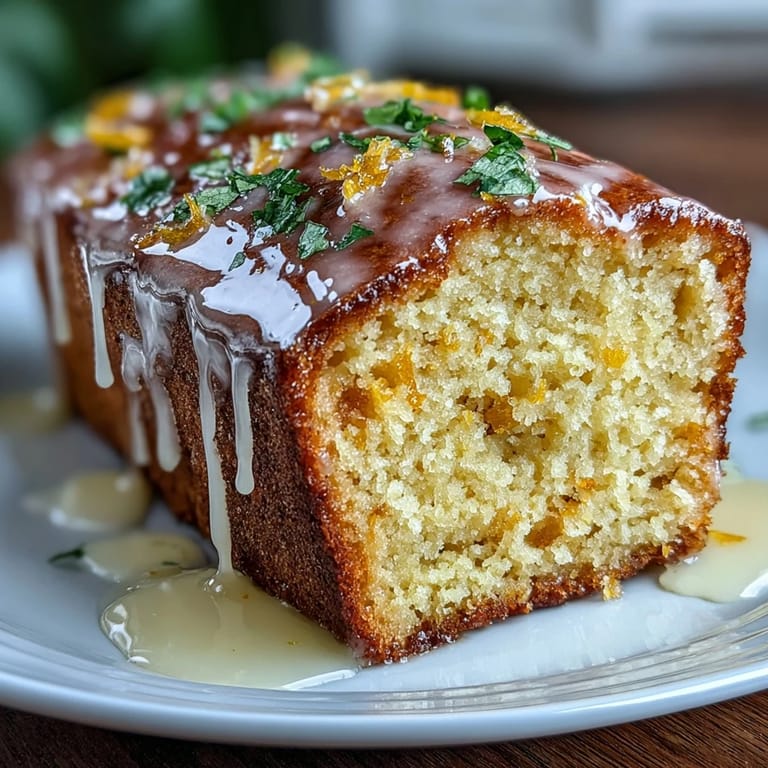
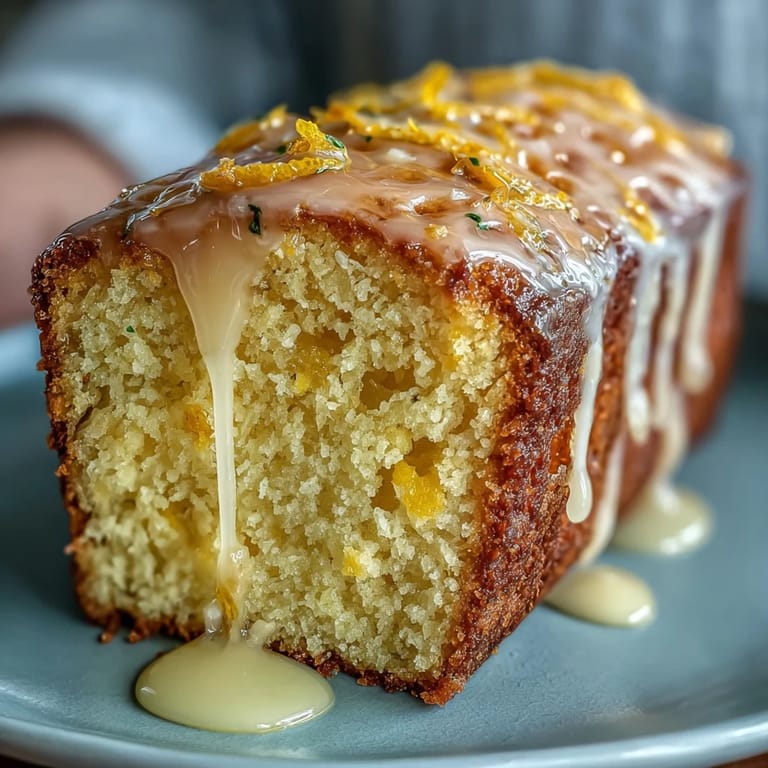
- Whisk sifted powdered sugar with 2 tablespoons of fresh lemon juice and the optional limoncello until smooth, adding more juice as needed to reach a consistency that drips slowly from a spoon. Taste it and adjust for tartness; you want brightness, not excessive sweetness.
- Finish and Garnish:
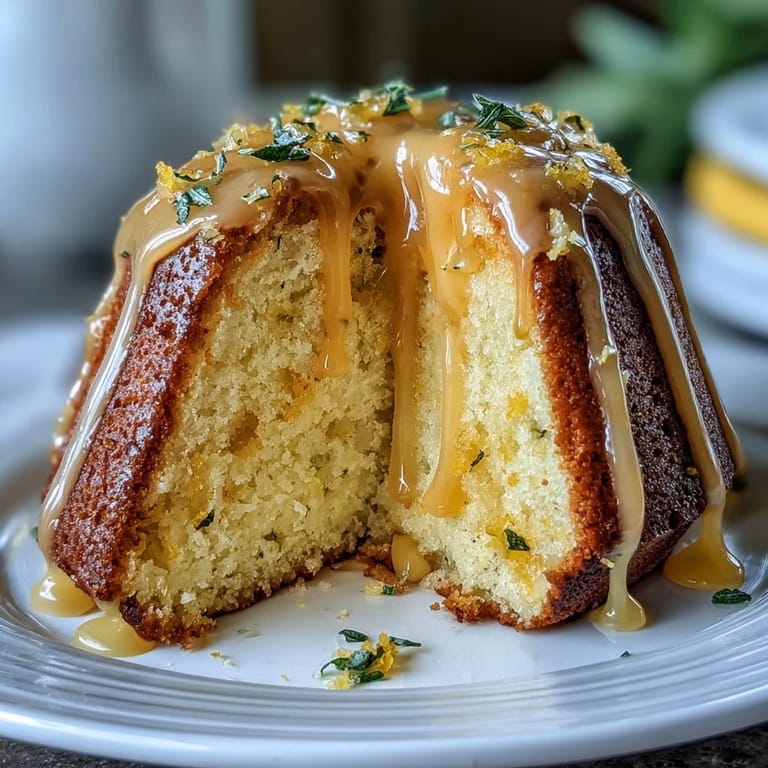
- Drizzle the cooled cake generously with glaze and top with fresh lemon zest while the glaze is still wet so it sticks. Let it set for at least 30 minutes before slicing so the glaze firms up slightly.
 Save
Save I've learned that the best part about this cake isn't just how it tastes, but how it makes people pause and actually enjoy dessert instead of rushing through it. There's something about the combination of citrus and alcohol that makes everyone want another slice, even when they're already full.
When to Make This Cake
Spring and early summer are the obvious seasons, but honestly, this cake works year-round whenever you want something that feels a little fancy without being stuffy. I've made it in winter and served it with hot tea, and the brightness cuts through the heaviness of the season in a way that feels almost therapeutic. Limoncello evokes warmth and sunny afternoons no matter what's happening outside your kitchen window, and that matters more than the calendar.
Variations and Twists
Once you master this version, you'll start seeing possibilities everywhere. I've made it with orange liqueur and orange zest for a slightly earthier flavor, and it was absolutely stunning with fresh raspberries on the side. Some people brush the baked cake with extra limoncello before glazing if they want an even more boozy intensity, and I won't argue with that approach because it absolutely works. You could also swap out the milk for Greek yogurt for a slightly more complex tang, or even use a combination of lemon and lime juice for a more tropical bent.
- Try adding a teaspoon of poppy seeds to the batter for subtle texture and a nod to traditional lemon poppy seed cakes.
- Experiment with the glaze by adding a pinch of fresh thyme to give it an herbaceous undertone that sounds weird but tastes incredible.
- Serve slices alongside olive oil and sea salt to amplify the limoncello's botanical notes in a way that feels very Italian.
Storing Your Cake
This cake actually improves slightly after a day or two as the flavors meld and the moisture redistributes evenly throughout the crumb. Wrap it tightly in plastic wrap and keep it at room temperature for up to 4 days, or freeze it for up to 3 months if you want to have it on hand for unexpected gatherings. If you do freeze it, thaw it completely before adding the glaze so the glaze doesn't separate or slide off.
 Save
Save This cake has become my secret weapon for moments when I want to impress without overcomplicating things, and it never fails to make people feel celebrated. There's real joy in serving something that tastes like you spent hours in the kitchen when you actually pulled it together in less than two.
Recipe FAQs
- → What gives this cake its moist texture?
The combination of softened butter, eggs, and limoncello liqueur contributes to a moist, tender crumb throughout the cake.
- → Can I substitute the limoncello with another liqueur?
Yes, orange liqueur or similar citrus-flavored spirits can be used to provide a different but complementary flavor profile.
- → How is the lemon glaze prepared?
The glaze is made by whisking powdered sugar with fresh lemon juice and optionally a splash of limoncello, creating a bright and tangy finish.
- → What baking pan sizes are suitable?
A 9x5-inch loaf pan or bundt pan works best to bake the cake evenly and maintain its shape.
- → How do I prevent the cake top from browning too quickly?
After 40 minutes of baking, loosely tent the cake with foil to protect the top from over-browning while the interior finishes baking.