 Save
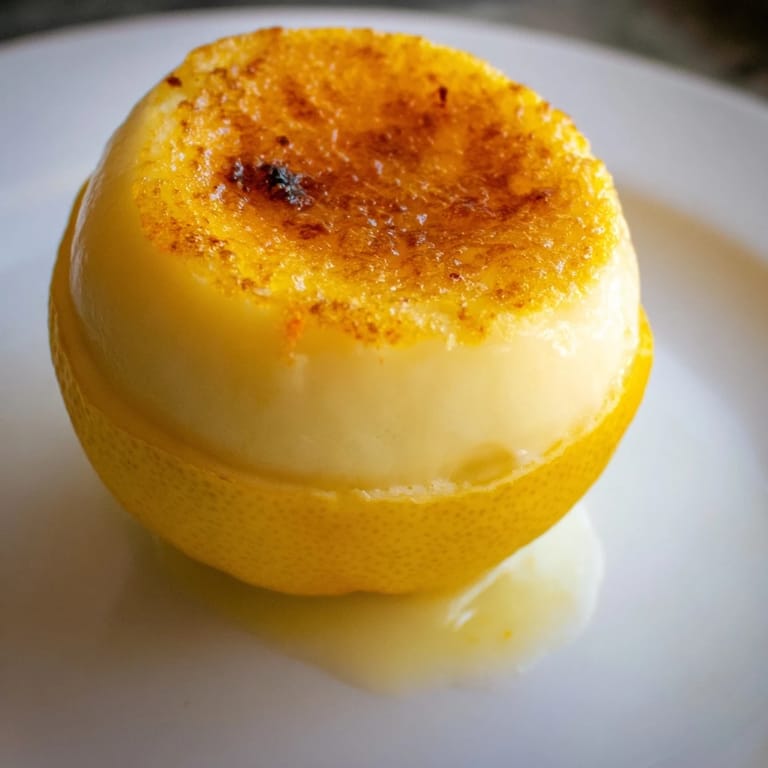
Save The first time I served lemon brûlée posset, my guest leaned in to crack through that caramelized sugar shell and paused—just for a moment—before the spoon broke through with the most satisfying sound. What followed was this silky, impossibly creamy custard that tasted like sunshine in a lemon shell. I'd discovered the recipe while reading about traditional British desserts, and something about the idea of serving cream in its own edible vessel felt like magic. That night, watching someone experience that combination of textures and flavors for the first time, I knew this dish would become my secret weapon for impressing people.
I made these for a dinner party in late spring when everyone was craving something bright and elegant but also kind of playful. One guest actually asked if she could eat the lemon shell—and she could, though most people just treat it as the most fragrant serving dish imaginable. The whole table went quiet when the torch flames appeared, then erupted in delighted laughter when the sugar bubbled and darkened. That's when I realized this dessert does something special: it transforms the end of a meal into a small performance that everyone remembers.
Ingredients
- Double cream (500 ml): This is the soul of posset—use the real stuff, not whipping cream, because the higher fat content is what creates that impossible silkiness when the lemon juice hits it.
- Caster sugar (140 g for base, plus 6–8 tsp for brûlée): Fine sugar dissolves cleanly and helps build that custard texture; regular granulated works in a pinch but won't blend as smoothly.
- Lemon zest (from 2 lemons): Don't skip this—zest adds complexity and visual appeal that bottled lemon juice alone never captures.
- Fresh lemon juice (90 ml): Freshly squeezed is non-negotiable here; bottled juice won't thicken the cream properly and tastes flat.
- Large lemons (6 for shells): Pick ones that are relatively uniform in size and have thick, sturdy flesh so the shells don't crack when you hollow them.
Tired of Takeout? 🥡
Get 10 meals you can make faster than delivery arrives. Seriously.
One email. No spam. Unsubscribe anytime.
Instructions
- Prepare your lemon vessels:
- Halve each lemon lengthwise and gently scoop out the flesh, keeping the shells intact—think of it like creating tiny edible bowls. Trim a thin slice off the bottom of each shell so it sits flat without rolling, then refrigerate them while you make the posset.
- Heat cream with sugar and zest:
- Combine your cream, sugar, and lemon zest in a saucepan and bring it to a gentle boil over medium heat, stirring so the sugar dissolves evenly. Once it reaches a boil, simmer for exactly 3 minutes—you'll see tiny bubbles dance across the surface, and that's when you stop and remove it from heat.
- Add lemon juice and watch the magic:
- Stir in your freshly squeezed lemon juice and you'll feel the mixture thicken almost instantly—this curdling is actually what creates posset's signature custard texture. Let it cool for 10 minutes, then strain it through a fine mesh to remove the zest pieces for a perfectly smooth finish.
- Fill and chill:
- Carefully pour the warm posset into your chilled lemon shells, filling them nearly to the rim. Refrigerate for at least 3 hours until completely set—the mixture should jiggle gently when you move the plate, but hold its shape when you spoon into it.
- Brûlée the tops:
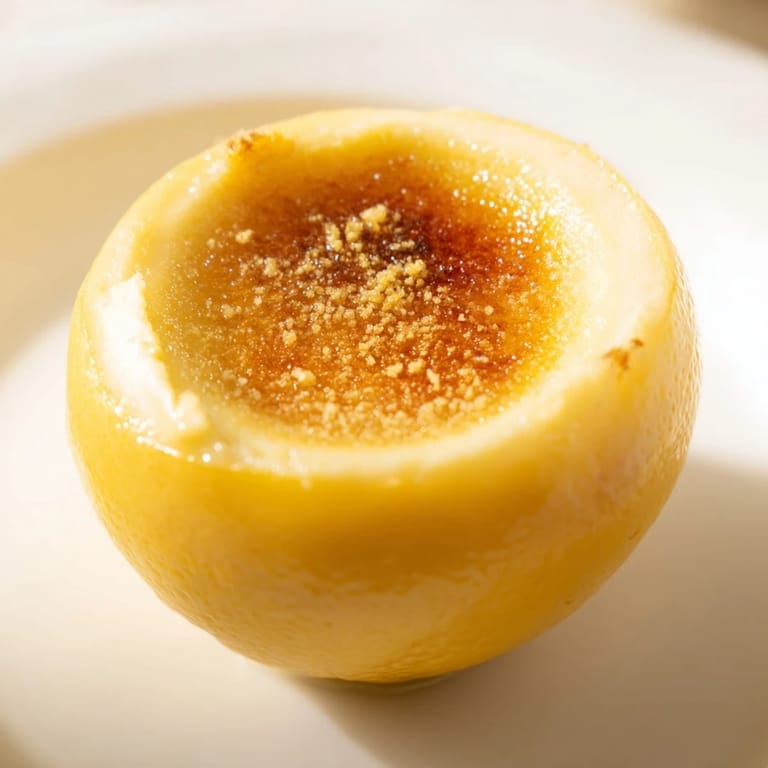
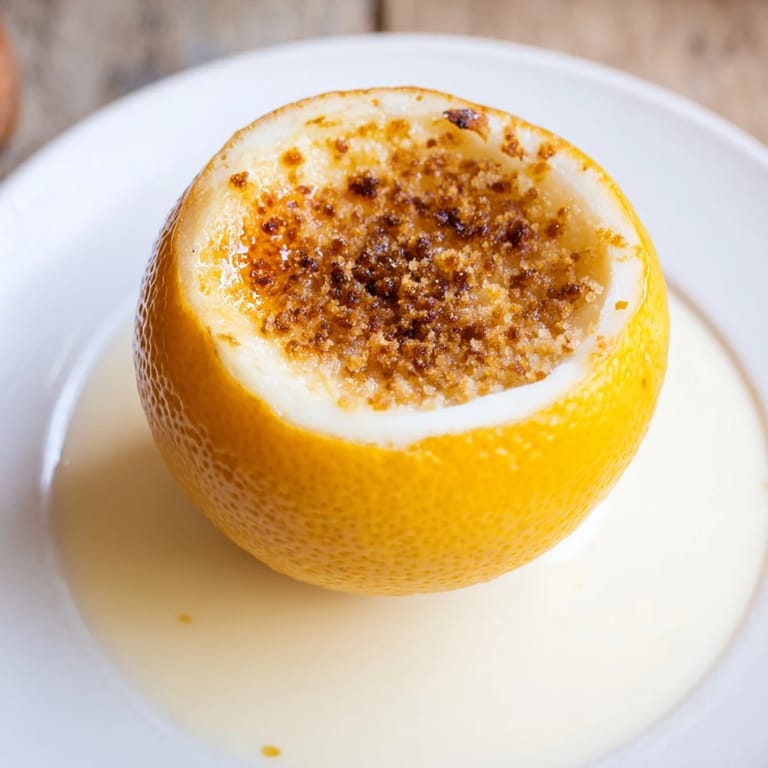
- Just before serving, sprinkle about a teaspoon of caster sugar evenly over each posset. Hold your blowtorch a few inches away and move it in steady circles until the sugar melts into amber and bubbles slightly, then let it harden for 2–3 minutes before anyone digs in.
 Save
Save There's something deeply satisfying about a dessert that tastes elegant but doesn't demand you spend your whole evening in the kitchen. This one reminded me that the best dishes are often simple ideas executed with care—cream, lemon, sugar, heat, and a moment of showmanship with the torch.
The Story Behind Posset
Posset is an old British dessert that dates back centuries, when it was served hot as a spiced, curdled cream drink. This chilled version is the modern, refined take that feels fresh and contemporary while honoring that history. When I learned that the curdling process was actually deliberate and traditional, it changed how I thought about the recipe—suddenly that technique felt less like an accident and more like honoring the dish's roots.
Flavor Variations Worth Trying
While lemon is the classic, I've experimented with infusing the cream with other flavors during that gentle simmer. A sprig of fresh basil adds an herbaceous note that plays beautifully with the tartness, and a whisper of thyme brings an earthy undertone that feels sophisticated. The key is adding the infusion before the lemon juice so the flavors meld, then removing it for a clean finish.
Making It Ahead and Serving
The beauty of this dessert is that it's almost entirely make-ahead friendly—you can fill the shells up to a full day in advance and just keep them chilled. The only thing you do at the last moment is the brûlée topping, which takes about 30 seconds per shell and creates that sense of occasion. I like serving these with crisp shortbread or delicate almond biscuits for contrast, though they're equally lovely on their own.
- Prepare shells and posset mixture up to 1 day ahead for stress-free entertaining.
- If you don't have a blowtorch, a very hot grill or broiler works, but watch constantly so the sugar caramelizes without burning.
- The shells are actually edible, though most people enjoy them as fragrant serving vessels rather than eating them.
 Save
Save This dessert taught me that sometimes the most memorable moments in the kitchen come from the simplest ideas done right. There's real joy in that crack of brûlée and the spoonful of luxury that follows.
Recipe FAQs
- → How do I prepare the lemon shells for serving?
Carefully halve the lemons lengthwise, juice and scoop out the flesh while keeping the shells intact. Trim a thin slice off the bottom so they stand upright, then chill until ready to fill.
- → Can I add herbs to enhance the cream base?
Yes, infusing the cream with fresh herbs like thyme or basil during simmering adds subtle aromatic notes. Remove herbs before adding lemon juice for a smooth finish.
- → What is the best way to caramelize the sugar topping?
Sprinkle caster sugar evenly atop the chilled cream and use a kitchen blowtorch to melt and caramelize it until crisp. Alternatively, use a hot grill or broiler, watching carefully to prevent burning.
- → How long should the dessert chill before serving?
Refrigerate the filled lemon shells for at least 3 hours to allow the cream to set properly for a silky, firm texture.
- → Are the lemon shells edible?
The lemon shells are primarily serving vessels and edible, but they are usually discarded after enjoying the dessert.
- → Can this dessert be prepared ahead of time?
Yes, the cream can be prepared and chilled in advance, but the caramelized sugar topping should be added just before serving to maintain its crispness.