 Save
Save The first time I melted ice cream into custard for French toast, I wasn't sure if I was being clever or reckless. My grandmother had always made hers the traditional way—eggs, cream, a splash of vanilla—but I had a pint of vanilla bean sitting on the counter at room temperature, and something just clicked. Why not let it do double duty? That afternoon, the kitchen filled with a smell I'd never gotten from regular French toast, something richer and almost caramelized, and when I bit into those golden slices, I understood I'd found something special.
I made this for my brother the morning after he got back from college, and he took one bite and just went quiet. Not the bad kind of quiet—the kind where you're tasting something and every flavor is hitting at once. He asked if I'd added cream to the batter, then laughed when I told him the secret. Now whenever he visits, this is what he requests, and I've stopped even pretending I might make something else.
Ingredients
- Thick-cut bread (brioche or challah), slightly stale: Stale bread is your friend here—it has the structure to soak up the custard without turning into mush, while fresh bread will fall apart.
- Premium ice cream, melted: The quality matters because this is the flavor foundation; cheaper ice cream can taste waxy once melted, so splurge a little on something you'd actually enjoy eating plain.
- Eggs: These bind everything together and give the custard structure, but don't skip them even though the ice cream seems like it should be enough.
- Cinnamon and vanilla extract: Both are optional, but cinnamon especially enhances the caramelization and adds warmth that makes people ask what the secret ingredient is.
- Salt: Just a pinch, but it makes the whole flavor profile pop and keeps things from tasting one-dimensional.
- Unsalted butter: For cooking, and yes, unsalted matters because it lets you control the salt level in the final dish.
Tired of Takeout? 🥡
Get 10 meals you can make faster than delivery arrives. Seriously.
One email. No spam. Unsubscribe anytime.
Instructions
- Whisk your custard base:
- Pour the melted ice cream into a bowl with eggs, cinnamon, vanilla, and salt, then whisk until it's completely smooth and no streaks of egg remain. This takes about a minute and sets up your whole dish, so don't rush it.
- Heat your pan and butter:
- Get your skillet over medium heat and add a tablespoon of butter, letting it foam and turn golden before you start cooking. You want it hot enough to sizzle when bread hits it, but not so hot that the butter burns.
- Dip and soak:
- Hold each bread slice with your fingers and dip it into the custard for about 10 to 15 seconds per side, letting the excess drip off. This is where patience matters—too short and the inside stays dry, too long and it falls apart.
- Cook until caramelized:
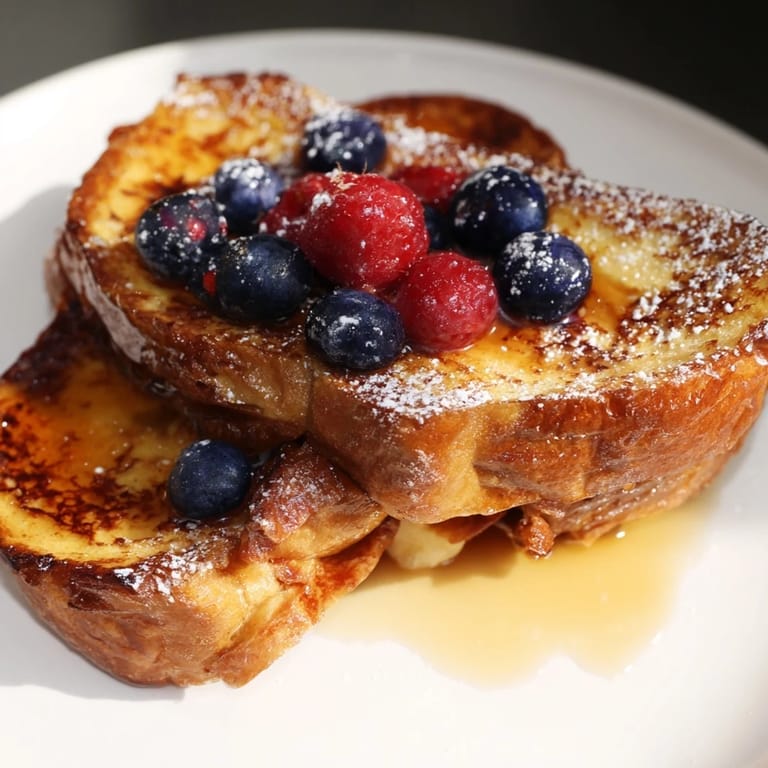
- Place the soaked bread onto the hot skillet and let it sit for 2 to 3 minutes per side without moving it around. You're looking for that deep golden-brown color with a few darker caramelized spots.
- Keep them warm:
- As each batch finishes, transfer it to a wire rack or warm plate so the bottom doesn't get steamed by its own heat. If you stack them directly on a plate, they'll lose that crispy edge you worked for.
 Save
Save There's a moment right before you flip the toast where you can hear it singing in the pan, a soft sizzle that tells you the crust is forming. That sound is when I know everything's going right, when the ice cream custard is doing its job and turning into something golden and complex. It's a small thing, but it's become the moment I look forward to.
Choosing Your Ice Cream Flavor
Vanilla is the safe choice and it works beautifully, but don't stop there if you're feeling adventurous. Coffee ice cream creates a sophisticated, almost mocha-like flavor that pairs perfectly with a cup of coffee at the table. Cinnamon ice cream doubles down on warmth and spice, while salted caramel turns the whole dish into something dessert-like without being overwhelming. Even chocolate works if you're aiming for breakfast-as-indulgence and don't mind a few raised eyebrows from traditionalists. The melting process seems to deepen and develop whatever flavor you choose, making it taste richer than it did in the container.
Bread Matters More Than You'd Think
Brioche and challah are ideal because they're enriched with eggs and butter, so they have a tender crumb that soaks up custard while staying structurally sound. Texas toast is thicker than standard sandwich bread and gives you more surface area for that caramelized crust. Regular sliced bread will work in a pinch, but it's more fragile and you'll lose some to the dipping process. The stale-versus-fresh question is real—I learned this the hard way after making a batch with fresh bread from the bakery and watching it disintegrate in the pan. Now I buy bread the day before or leave it out on the counter overnight, and the difference is stark.
Serving and Storage Tips
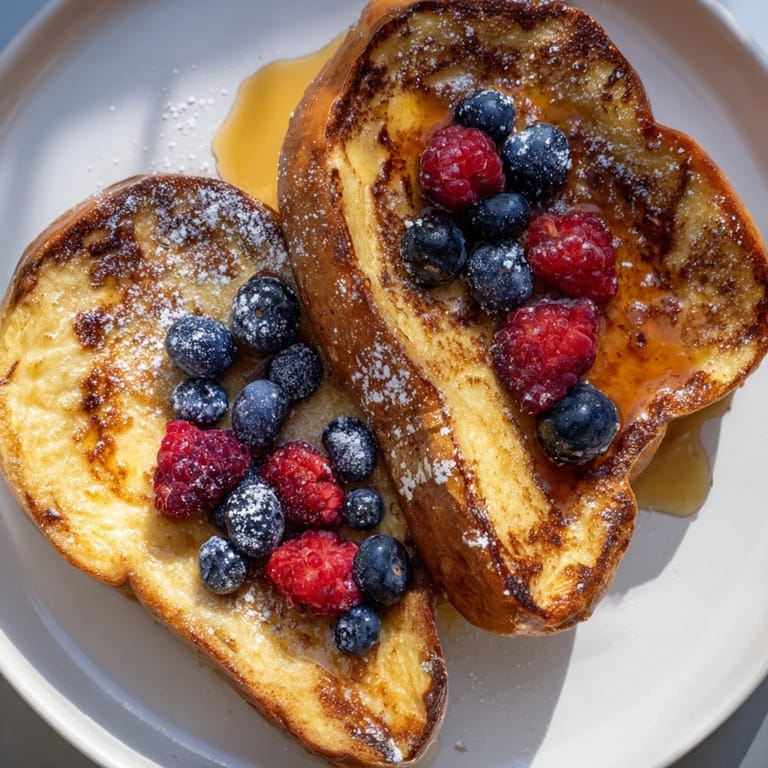
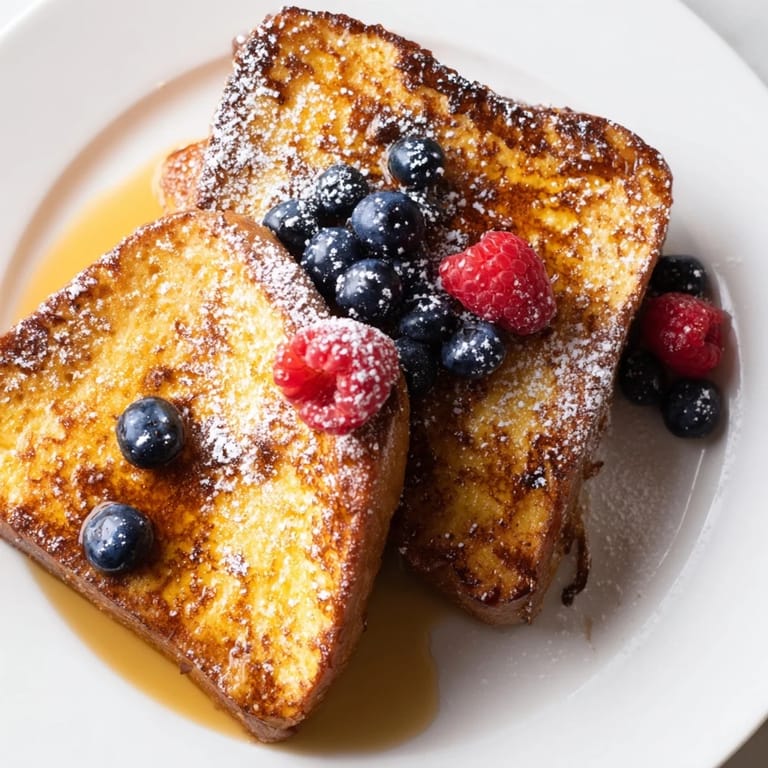
Serve this warm and within a few minutes of cooking for the best contrast between the crispy edges and custardy center. Maple syrup is the obvious choice, but fresh berries add brightness and prevent the dish from feeling heavy, and powdered sugar gives you a delicate sweetness if you go that route. Leftovers can be stored in an airtight container in the fridge for up to two days, though they're best eaten cold as a snack or reheated gently in a low oven rather than the microwave, which will make them rubbery.
- Whipped cream is optional but transforms this from breakfast into something closer to a special occasion.
- If your ice cream is still partially frozen, give it a minute to melt fully before whisking so you don't have cold lumps in the custard.
- Make the custard mixture right before you cook so it doesn't separate or get too warm.
 Save
Save This recipe has become my go-to when I want to turn an ordinary morning into something memorable, the kind of breakfast that makes people say yes to an extra cup of coffee and lingering at the table. It's proof that sometimes the best ideas come from accidents and leftovers.
Recipe FAQs
- → What type of bread works best?
Thick-cut breads like brioche, challah, or Texas toast absorb the custard well and provide a soft, rich texture.
- → Can different ice cream flavors be used?
Yes, using flavored ice cream like vanilla, cinnamon, coffee, or chocolate enhances the custard's depth and taste.
- → How long should the bread soak in the custard?
Soak each bread slice about 10 to 15 seconds per side to absorb the custard without becoming too soggy.
- → What cooking method is preferred?
Cook the soaked slices on a medium-heat skillet or griddle with butter for 2–3 minutes per side until golden and caramelized.
- → What toppings pair well with this dish?
Maple syrup, fresh berries, and a light dusting of powdered sugar complement the rich custard flavors perfectly.