 Save
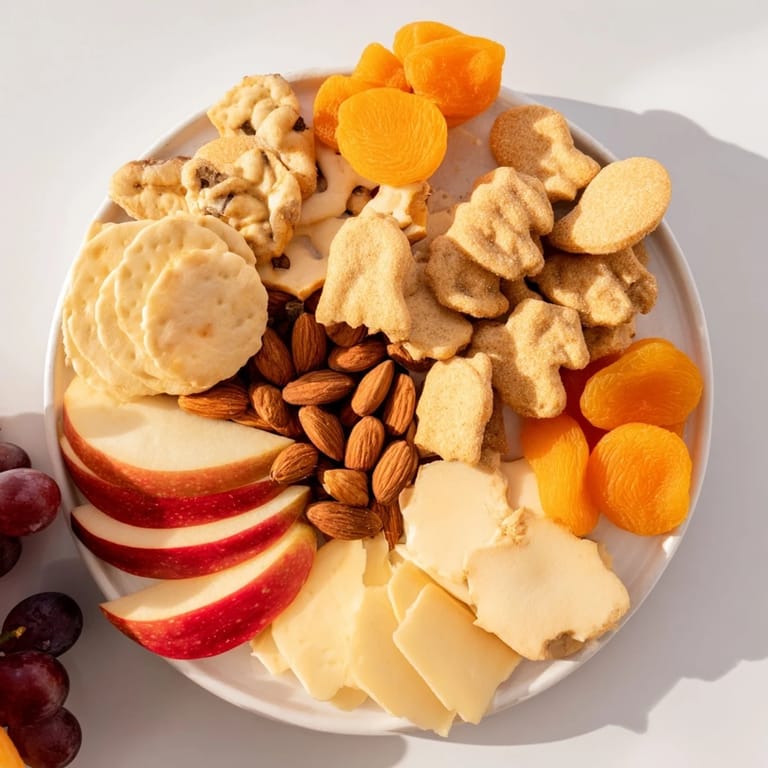
Save I discovered the magic of gold leaf on a quiet December evening when my sister arrived with a bottle of champagne and an impossible request: pull together something that looked like it belonged in a gallery, not on a kitchen counter. The Gilded Acorn was born from necessity and a rummage through the pantry—real gold dust catching the lamplight, almonds arranged like tiny treasures, and those whimsical cheese cutouts that made everyone pause before eating. It turned out that elegance isn't about complicated techniques; it's about how you see what you already have.
What I remember most vividly is watching my reserved uncle—the one who never compliments anything—lean back after that first bite of gouda and acorn-shaped cheese, then reach for another. He actually smiled. My mom laughed so hard she almost dropped a handful of pecans, joking that I'd finally found a way to make him happy that didn't involve sports or weather talk. That's when I realized this board wasn't really about the gold or the shapes; it was the permission it gave everyone to slow down and enjoy something beautiful together.
Ingredients
- Whole almonds (1 cup): The backbone of your board, offering a familiar crunch and subtle sweetness that balances sharper cheeses beautifully.
- Pecans (1/2 cup): Slightly buttery and rich, these add depth and pair especially well with the gouda's caramel notes.
- Walnuts (1/2 cup): Their earthier flavor grounds the board and provides textural contrast to the smoother cheese.
- Hazelnuts (1/2 cup): These are the surprise element—delicate and a little unexpected, they spark conversations about favorite nuts.
- Almonds for gold-coating (1/2 cup additional): Keep these separate from the bulk almonds so the gold dust stays pristine and catches every bit of light.
- Edible gold dust or gold leaf flakes (1/2 tsp): Food-grade only—this is your visual anchor and the detail that transforms a board into an occasion.
- Sharp cheddar cheese block (8 oz): The workhorse cheese with enough personality to stand up to bold flavors without overwhelming the plate.
- Gouda cheese block (8 oz): Its caramel undertones make it almost sweet, creating a beautiful flavor bridge between nuts and dried fruit.
- Brie or camembert (8 oz optional): If you're using this, it becomes your texture contrast and the dish everyone gravitates toward first.
- Dried apricots (1/2 cup): Their tartness cuts through richness and their color adds warmth to the board's landscape.
- Dried figs, halved (1/2 cup): Figs whisper sophistication without being pretentious, and they complement aged cheeses in the most gentle way.
- Seedless red grapes (1/2 cup): Fresh and slight, they're your palate cleanser and provide visual brightness against darker elements.
- Fresh apple slices (1/2 cup): Toss these with a squeeze of lemon juice if you're prepping ahead so they don't oxidize and turn brown.
- Honey or fig jam (1/4 cup): This is your secret weapon—it's the reason people come back for one more cracker, drizzled with something golden.
- Assorted crackers (1 cup): Mix textures—some should be sturdy enough to hold cheese, others lighter to balance the richness.
- Baguette, sliced (1 small): Toasted lightly or left soft, baguette rounds are the canvas every guest will reach for first.
Tired of Takeout? 🥡
Get 10 meals you can make faster than delivery arrives. Seriously.
One email. No spam. Unsubscribe anytime.
Instructions
- Prepare the golden almonds:
- Place 1/2 cup almonds in a small bowl and mist them lightly with water using a spray bottle or brush—you want just enough moisture for the gold to cling. Sprinkle the edible gold dust evenly over the almonds and toss gently with a fork, watching how the light plays off each one as they coat.
- Cut your acorn-shaped cheeses:
- Slice your cheddar and gouda into 1/4-inch thick, even slabs; a cold cheese is easier to cut cleanly than one at room temperature. Using your acorn cookie cutter, press straight down without twisting, then gently wiggle it free—if you have the patience, a small paring knife can add tiny details like a cap or vein, or you can stack two different cheeses for a two-tone effect that catches the eye.
- Build your nut foundation:
- Scatter all your nuts—the regular almonds, pecans, walnuts, hazelnuts, and those golden almonds—across your large board in small clusters or shallow bowls. Nuts can be slightly chaotic and organic; they don't need precision, just visual generosity.
- Place your cheese shapes:
- Tuck the acorn-shaped cheese cutouts around the board wherever there's space, then add cubes or small wedges of brie or camembert between them. The cheese shapes become little focal points that guide the eye around the board.
- Arrange your accompaniments:
- Add your dried apricots, figs, and grapes in small piles or fan patterns across the board, and slip your fresh apple slices in where they'll catch light and look the freshest. This is where color really matters—let the reds, golds, and purples create natural rhythm.
- Add the honey moment:
- Pour your honey or jam into a small serving dish and nestle it somewhere prominent where guests can drizzle without it looking afterthought. A tiny spoon or honey dipper beside it is all the instruction anyone needs.
- Fill the remaining spaces:
- Arrange your crackers and baguette slices in the gaps, mixing styles and angles so nothing looks too uniform. This is actually the most forgiving step—imperfection makes it look abundant and real.
- Serve or hold:
- Bring it straight to the table for maximum impact, or cover it loosely with plastic wrap and refrigerate for up to an hour before guests arrive. Just let it sit at room temperature for 15 minutes before serving so the cheese softens slightly and tastes its best.
 Save
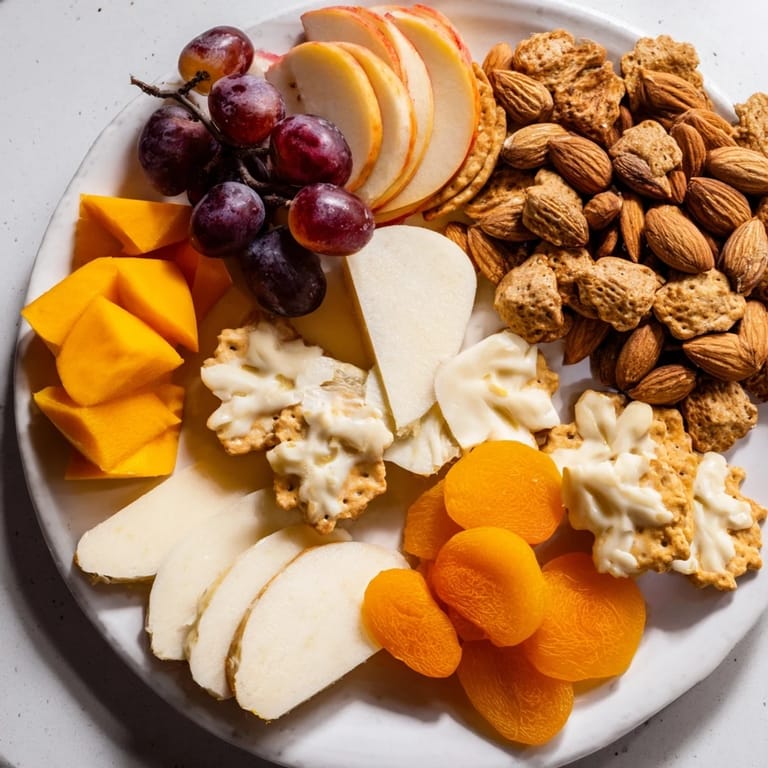
Save I'll never forget the moment my seven-year-old nephew pointed at the gold-dusted almonds and whispered that they looked like real treasure from a pirate ship. Suddenly the whole careful, elegant arrangement made complete sense—it wasn't about impressing adults with sophistication, it was about creating a moment where everyone, from the youngest to the oldest, felt a little bit special. That's when I understood that the best recipes are the ones that give other people permission to feel wonder.
Why This Board Works Every Time
The genius of a charcuterie board is that it removes the pressure of cooking while somehow feeling more intentional than a homecooked meal. You're not trying to perfectly execute a recipe; you're curating an experience. Every person at the table gets to choose their own flavor journey—the person who goes straight for nuts, the one who stacks brie on apricots, the person who treats it like a tasting menu. There's something deeply kind about a board that meets people exactly where their preferences are.
The Gold Dust Game-Changer
I was genuinely skeptical about food-grade gold dust until I actually used it. I expected it to feel gimmicky or taste metallic, but it does neither—it's purely visual magic, and somehow that's enough. It catches light in a way that regular almonds never do, and that small detail shifts the entire energy of the board from casual to ceremonial. Once I understood that gold dust was just about making the ordinary feel intentional, I started thinking about edible flowers, fresh herbs, and other small touches that cost almost nothing but feel like real luxury. The lesson stuck: sometimes elegance is just about noticing what deserves a little extra shine.
Pairing and Serving Secrets
A charcuterie board is inherently generous, but it reaches its full potential when you think about what you're serving alongside it. A crisp Sauvignon Blanc or sparkling rosé feels like the obvious choice, and it is the right one—the acidity cuts through richness and keeps your palate fresh. But honestly, this board works equally well with a simple cold water and sparkling element; it's about creating conversation, not showing off a wine list. I've learned that the best accompaniment is simply time—give people 30 minutes with this board and watch how it transforms from food into a moment. The board teaches you this: some of the most memorable meals aren't meals at all, they're permission to gather without pressure.
- Set it out 15 minutes before guests arrive so cheese softens and nuts release their oils and aromas.
- If you're assembling ahead, cover it loosely and refrigerate, then uncover it 20 minutes before serving so nothing tastes cold and muted.
- Keep extra cheese, nuts, and crackers nearby as backup—good boards inspire people to eat more than they expect to.
 Save
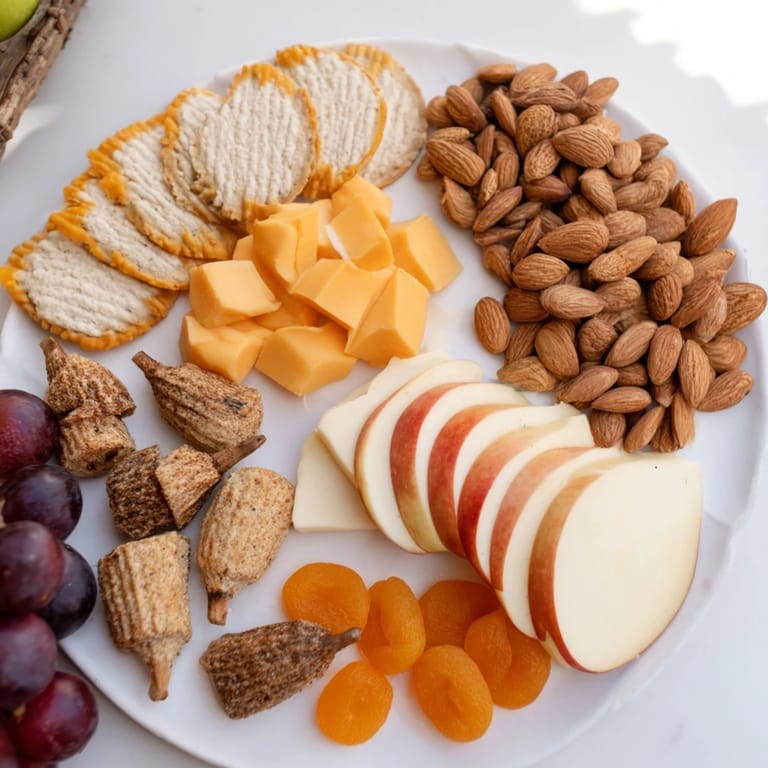
Save The Gilded Acorn will always mean December evenings and my sister's laugh to me, but for you it might become something different—a birthday board, a celebration of a new job, or just a quiet Friday night that felt a little bit special. Make it yours and trust that the gold dust, the careful cheese shapes, and the generosity of plenty will do what they always do: give everyone permission to slow down together.
Recipe FAQs
- → How do I make the gold-dusted almonds stick?
Lightly mist or brush whole almonds with water before gently tossing them in edible gold dust to help the coating adhere evenly.
- → What types of cheese work best for acorn shapes?
Firm cheeses like cheddar and gouda slice well for acorn-shaped cutouts; layering different cheeses creates a two-tone effect.
- → Can I prepare this board ahead of time?
Yes, you can assemble the board and refrigerate it lightly covered for up to one hour before serving to maintain freshness.
- → What alternatives exist for nuts or cheeses?
Try manchego, blue cheese, pistachios, or macadamia nuts to customize flavor and texture profiles.
- → How can I make the board gluten-free?
Use gluten-free crackers and bread options to accommodate gluten-free dietary needs without compromising taste.