 Save
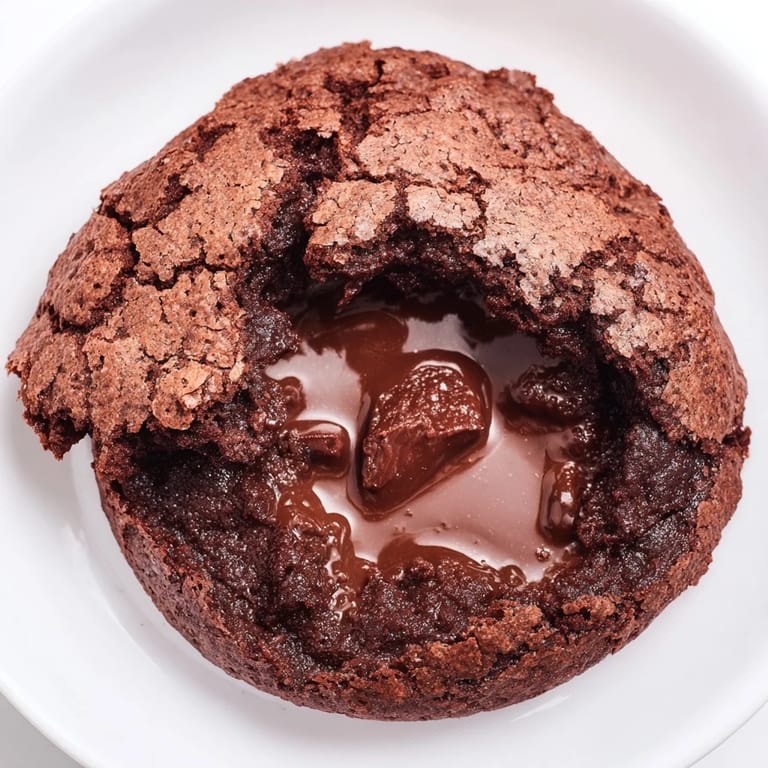
Save The first time I made this brownie pudding, I wasn't expecting the magic that happens when you bake it just long enough. My kitchen filled with this impossibly rich chocolate smell, and when I pulled it from the oven, the top was gloriously crackled like a brownie's best dream while the center trembled slightly—pure molten chocolate waiting beneath. That combination of textures, that moment of discovery, made me understand why Ina Garten loves this recipe so much. It feels like an indulgence you can actually pull off on a weeknight.
I served this at a dinner party last winter when someone asked for something chocolate but not cake, not mousse, not quite a brownie. I was honest that I'd never made it before, and when we spooned into those warm ramekins with ice cream melting into the pudding, the whole table went quiet for a moment. That kind of quiet is everything in a kitchen—it means you've made something that stops people mid-conversation. After that night, it became my go-to when I want to impress without the stress.
Ingredients
- Unsalted butter: Use good quality here since there's not much else to hide behind—this is the foundation of richness.
- Semisweet chocolate, chopped: Don't skip chopping it yourself; it melts more evenly than chocolate chips, and you'll taste the difference.
- Large eggs, at room temperature: This matters more than you'd think; cold eggs won't incorporate as smoothly when beaten with sugar, and you'll lose some of that airy texture.
- Granulated sugar: The 5–10 minute beating with eggs is what creates that distinctive crackle on top, so don't rush this step.
- All-purpose flour and unsweetened cocoa powder: Sift these together before folding to avoid lumps that can make the texture gritty.
- Vanilla extract and kosher salt: These small seasonings brighten the chocolate and keep it from tasting one-dimensional.
- Vanilla ice cream or whipped cream: Not optional in my house—the cold against the warm pudding is essential to the whole experience.
Tired of Takeout? 🥡
Get 10 meals you can make faster than delivery arrives. Seriously.
One email. No spam. Unsubscribe anytime.
Instructions
- Melt the chocolate gently:
- Chop your chocolate and butter into roughly even pieces, then set a heatproof bowl over simmering water, making sure the bowl doesn't touch the water. Stir occasionally until everything is smooth and silky—you'll know it's ready when there are no visible flakes of chocolate left. Let it cool just slightly before moving on so it doesn't scramble your eggs.
- Beat eggs and sugar to ribbons:
- This is where the magic of the crackle begins. In your mixer, beat the eggs and sugar on medium-high speed for a full 5–10 minutes; you're looking for the mixture to be pale, thick, and when you lift the beaters, the batter should fall in ribbons that hold their shape for a few seconds before melting back in. Don't skip this; it's what makes the top break apart beautifully.
- Bring the mixture together:
- Reduce the mixer to low, add vanilla and salt, then slowly pour in that cooled chocolate mixture. Mix just until you don't see streaks anymore—overmixing at this point can deflate all that aeration you just worked for.
- Fold in the dry ingredients:
- Sift the flour and cocoa powder together into a small bowl to break up any lumps, then use a spatula to fold them gently into the batter. Use broad, sweeping motions from the bottom of the bowl up and over; stop as soon as you see no more streaks of white flour.
- Set up the water bath:
- Pour your batter into a buttered 2-quart baking dish, then place that dish inside a larger roasting pan. Add hot tap water until it comes halfway up the sides of the baking dish; this gentle, even heat is what transforms the batter into that perfect pudding center.
- Bake with intention:
- Pop the whole setup into a 325°F oven for 1 hour. The top should look set and crackled, maybe even slightly dull, but when you give the dish a gentle shake, you should feel a small wobble in the very center. That's your signal it's done.
- Rest and serve:
- Let it cool for at least 15 minutes outside the water bath before serving; this allows the pudding center to firm up just slightly while staying gloriously soft. Serve warm, with ice cream or whipped cream on top or on the side, depending on your mood.
 Save
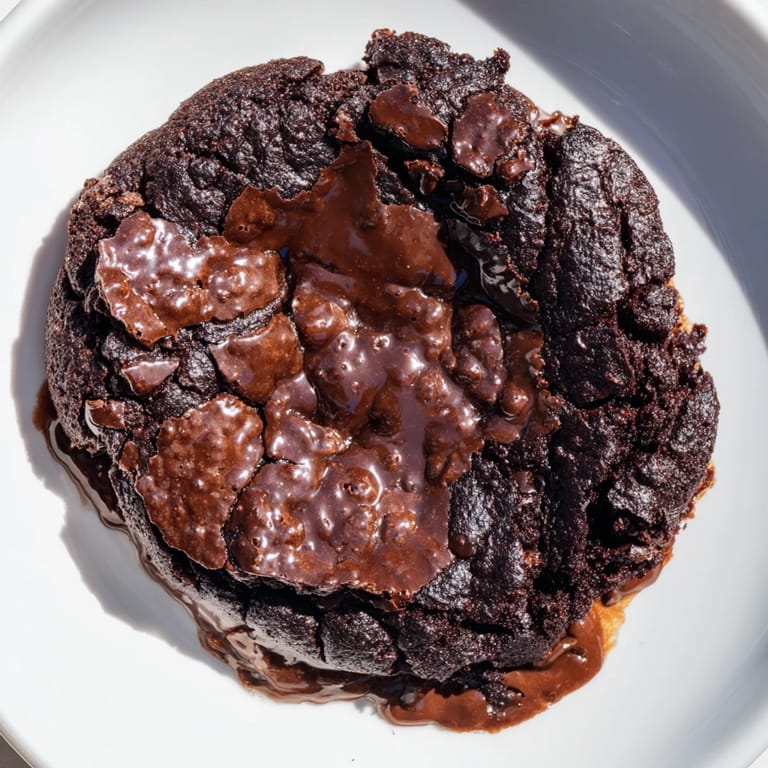
Save There's something about the moment you pull this from the oven and the whole thing still jiggers slightly in the middle—that's when you know you've gotten it exactly right. The smell has intensified by then, filling your entire kitchen with something that makes people wander in from other rooms asking what's happening.
The Water Bath Secret
If there's one technique that separates this dessert from a regular brownie, it's the water bath. The gentle, humid heat means the edges set just enough to give you that crackle while the center stays soft. I used to skip it thinking it was fussy, but the difference is impossible to ignore once you've tasted both versions. The pudding center only happens this way.
Chocolate Depth and Variation
Semisweet chocolate gives you the balanced sweetness and richness Ina designed, but I've experimented with using bittersweet for a darker intensity or adding a small pinch of espresso powder to deepen the chocolate flavor without making it taste like coffee. Both work beautifully if you want to adjust based on your mood or how much indulgence you're after that day.
Scaling and Make-Ahead Options
This recipe feels like it was built for company, but it halves easily if you're cooking for two—just use a smaller baking dish and keep everything else the same. You can prepare the batter up to 4 hours ahead and refrigerate it, then bake when you're ready, which takes the pressure off timing when you're serving guests. The finished pudding doesn't keep well overnight, but honestly, that's not usually a problem.
- For deeper chocolate flavor, use bittersweet chocolate or add 1/4 teaspoon of espresso powder to the batter.
- Don't overbake; the center should always have that soft, pudding-like quality that makes each spoonful feel luxurious.
- Vanilla ice cream or whipped cream is genuinely the only thing you should serve with this, so don't skip it.
 Save
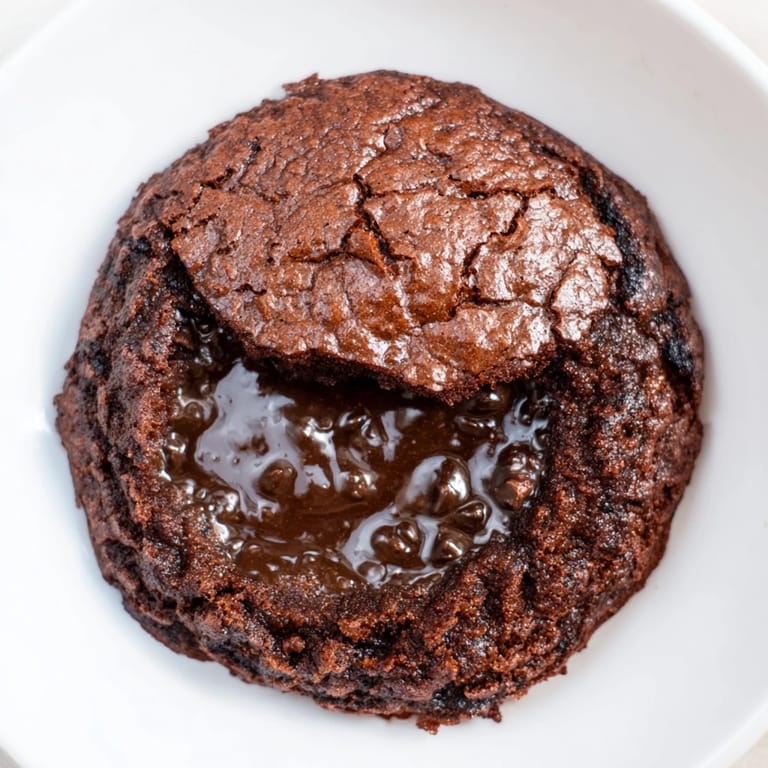
Save This dessert has a way of turning a regular evening into something that feels special. The combination of effort (which isn't much) and impact (which is enormous) is exactly what you want in a recipe you'll make again and again.
Recipe FAQs
- → What is the purpose of baking in a water bath?
The water bath gently regulates the temperature, allowing the center to stay smooth and molten while the top forms a crackly crust.
- → Can I use bittersweet chocolate instead of semisweet?
Yes, bittersweet chocolate adds a deeper, richer flavor to the dessert without altering the texture significantly.
- → How do I know when it is perfectly baked?
Look for a set and crackly top while the center remains soft and pudding-like. Avoid overbaking to maintain the gooey texture.
- → Is it necessary to beat the eggs and sugar for 5-10 minutes?
Yes, beating until thick and ribbon-like incorporates air that contributes to a light yet fudgy texture in the final product.
- → What are some good serving suggestions?
Serve warm alongside vanilla ice cream or lightly sweetened whipped cream to balance the rich chocolate flavors.